Latest News

Jordan Davis - maverick-country.com

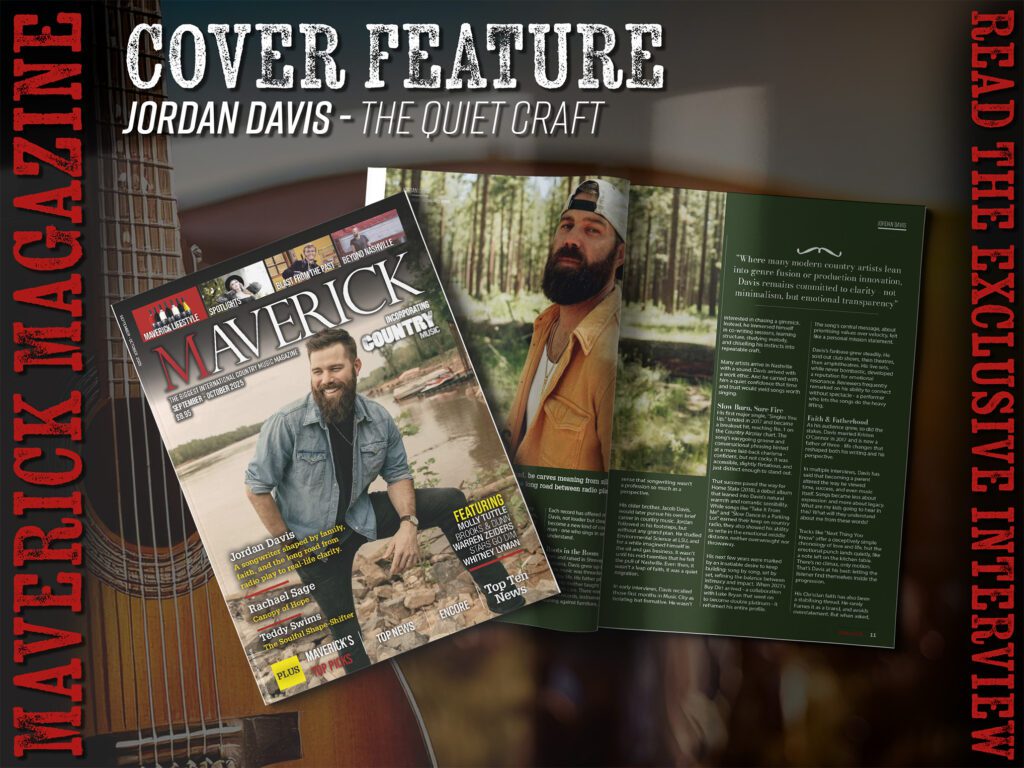
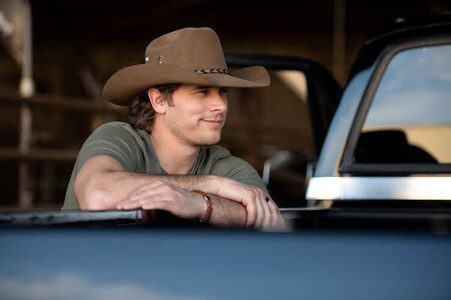
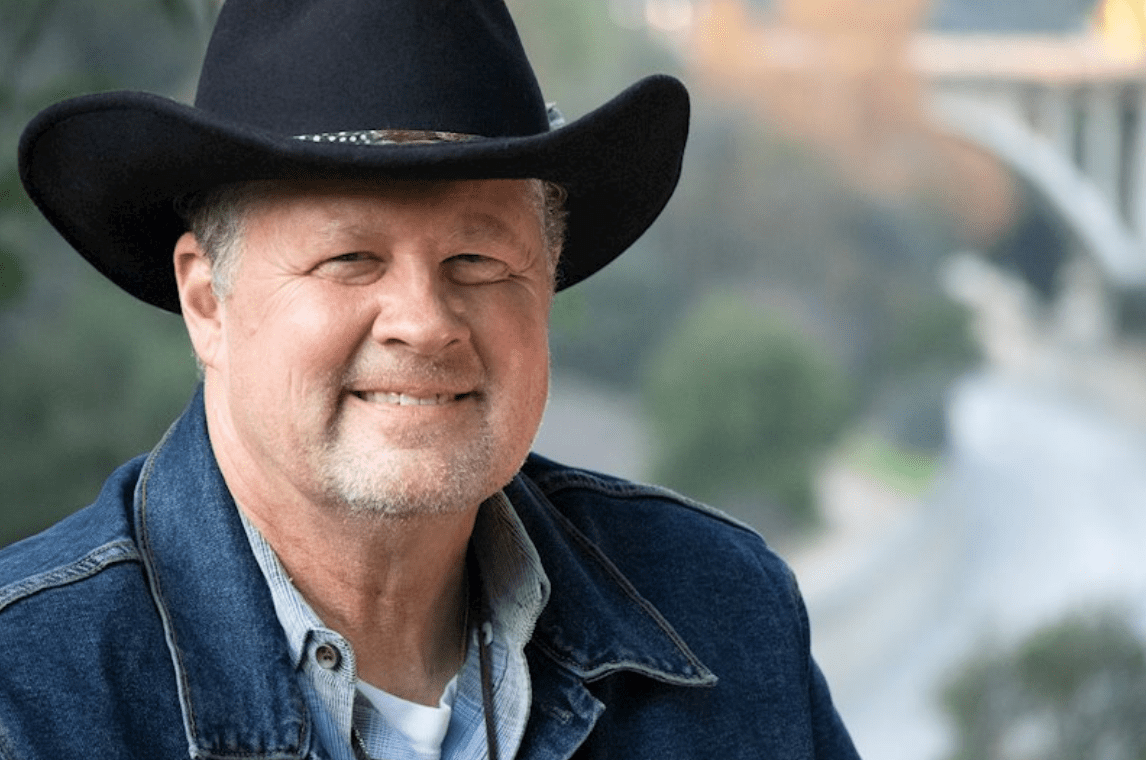
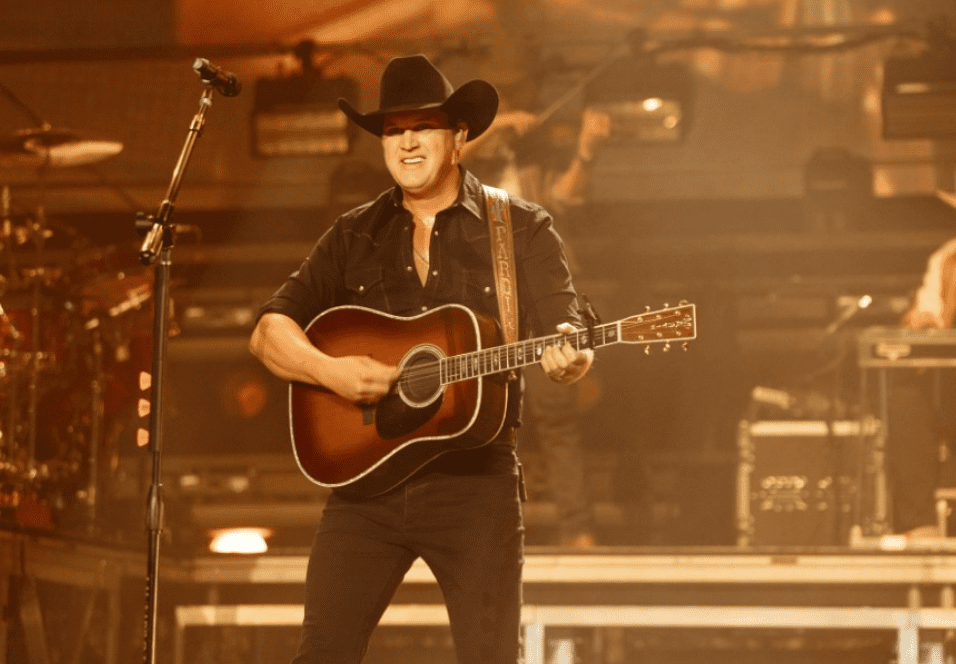
Jordan Davis – The Quiet Craft

Jordan Davis doesn’t shout to be heard. Instead, he carves meaning from silence – a songwriter grounded by family, faith, and the long road between radio play and real-life clarity  

Jordan Davis never really looked like a disruptor. Clean-cut, quietly spoken, and thoughtful in the way he weighs his words, he entered country music with little fanfare and even less noise. But look closer, and what emerges isn’t absence, it’s precision.  

In a genre often defined by flash, Davis has built his career on steadiness. His sound is smooth, but the stories underneath are not. His rise wasn’t meteoric, and his hits don’t explode, they unfurl. Over the past seven years, he’s become a fixture on country radio and festival stages, not by following the loudest trends, but by refining a songwriting voice that cuts quietly, carefully, and close to the bone.  

His growth has been slow-burn but undeniable, from the toe-tap charm of Home State to the emotional detail of Bluebird Days and now the stripped-down honesty of Learned the Hard Way 

Each record has offered more of Davis, not louder but clearer. He’s become a new kind of country man – one who sings in order to understand.  

Roots in the Room  

Born and raised in Shreveport, Louisiana, Davis grew up in a house where music was threaded into everyday life. His father played guitar. His mother taught him to listen with care. There were hymns and old records, instruments leaning against furniture, and a sense that songwriting wasn’t a profession so much as a perspective.  

His older brother, Jacob Davis, would later pursue his own brief career in country music. Jordan followed in his footsteps, but without any grand plan. He studied Environmental Science at LSU, and for a while imagined himself in the oil and gas business. It wasn’t until his mid-twenties that he felt the pull of Nashville. Even then, it wasn’t a leap of faith, it was a quiet migration.  

In early interviews, Davis recalled those first months in Music City as isolating but formative. He wasn’t interested in chasing a gimmick. Instead, he immersed himself in co-writing sessions, learning structure, studying melody, and chiselling his instincts into repeatable craft.  

Many artists arrive in Nashville with a sound. Davis arrived with a work ethic. And he carried with him a quiet confidence that time and trust would yield songs worth singing.  

Slow Burn, Sure Fire  

His first major single, “Singles You Up,” landed in 2017 and became a breakout hit, reaching No. 1 on the Country Airplay chart. The song’s easygoing groove and conversational phrasing hinted at a more laid-back charisma – confident, but not cocky. It was accessible, slightly flirtatious, and just distinct enough to stand out.  

That success paved the way for Home State (2018), a debut album that leaned into Davis’s natural warmth and romantic sensibility. While songs like “Take It From Me” and “Slow Dance in a Parking Lot” earned their keep on country radio, they also showed his ability to write in the emotional middle distance, neither overwrought nor throwaway.  

His next few years were marked by an insatiable desire to keep building: song by song, set by set, refining the balance between intimacy and impact. When 2021’s Buy Dirt arrived – a collaboration with Luke Bryan that went on to become double platinum – it reframed his entire profile.  

The song’s central message, about prioritising values over velocity, felt like a personal mission statement…

Read the full article here. 

Stars Go Dim - maverick-country.com

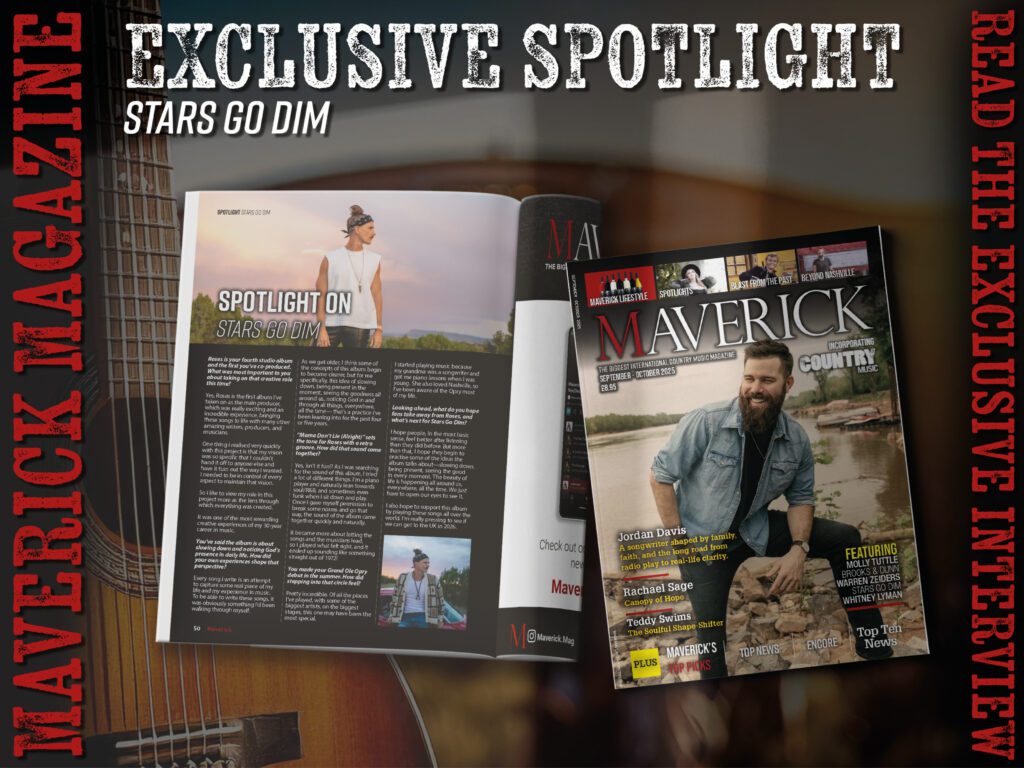
Artist Spotlight – Stars Go Dim

With a career spanning pop beginnings to Christian music milestones, Stars Go Dim continues to inspire by staying authentic, building hope, and letting the music speak for itself 

Roses is your fourth studio album and the first you’ve co-produced. What was most important to you about taking on that creative role this time? 

Yes, Roses is the first album I’ve taken on as the main producer, which was really exciting and an incredible experience, bringing these songs to life with many other amazing writers, producers, and musicians. 

One thing I realised very quickly with this project is that my vision was so specific that I couldn’t hand it off to anyone else and have it turn out the way I wanted. I needed to be in control of every aspect to maintain that vision. 

So I like to view my role in this project more as the lens through which everything was created.  

It was one of the most rewarding creative experiences of my 30-year career in music. 

You’ve said the album is about slowing down and noticing God’s presence in daily life. How did your own experiences shape that perspective? 

Every song I write is an attempt to capture some real piece of my life and my experience in music. To be able to write these songs, it was obviously something I’d been walking through myself. 

As we get older, I think some of the concepts of this album begin to become clearer, but for me specifically, this idea of slowing down, being present in the moment, seeing the goodness all around us, noticing God in and through all things, everywhere, all the time— that’s a practice I’ve been leaning into for the past four or five years. 

“Mama Don’t Lie (Alright)” sets the tone for Roses with a retro groove. How did that sound come together? 

Yes, isn’t it fun!? As I was searching for the sound of this album, I tried a lot of different things. I’m a piano player and naturally lean towards soul/R&B, and sometimes even funk when I sit down and play. Once I gave myself permission to break some norms and go that way, the sound of the album came together quickly and naturally. 

It became more about letting the songs and the musicians lead, so I played what felt right, and it ended up sounding like something straight out of 1972! 

You made your Grand Ole Opry debut in the summer. How did stepping into that circle feel? 

Pretty incredible. Of all the places I’ve played, with some of the biggest artists, on the biggest stages, this one may have been the most special. 

I started playing music because my grandma was a songwriter and got me piano lessons when I was young. She also loved Nashville, so I’ve been aware of the Opry most of my life. 

Looking ahead, what do you hope fans take away from Roses, and what’s next for Stars Go Dim? 

I hope people, in the most basic sense, feel better after listening than they did before. But more than that, I hope they begin to practise some of the ideas the album talks about—slowing down, being present, seeing the good in every moment. The beauty of life is happening all around us, everywhere, all the time. We just have to open our eyes to see it. 

I also hope to support this album by playing these songs all over the world. I’m really pressing to see if we can get to the UK in 2026. 

Johnson & Finnemore - maverick-country.com

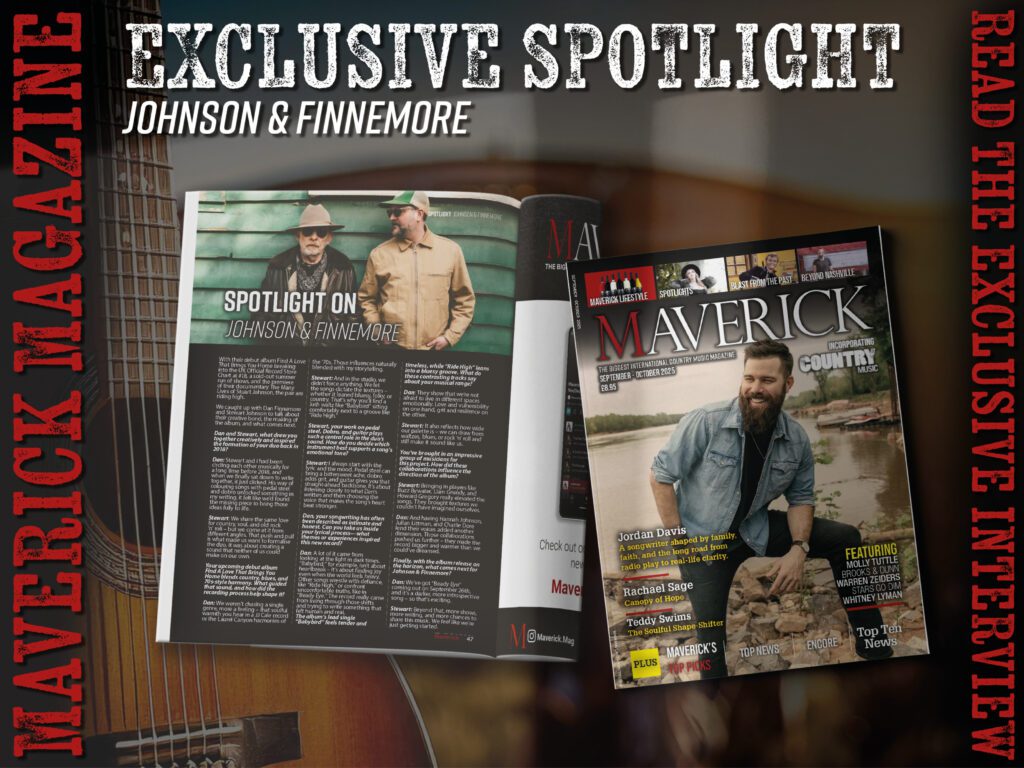
Americana Spotlight – Johnson & Finnemore

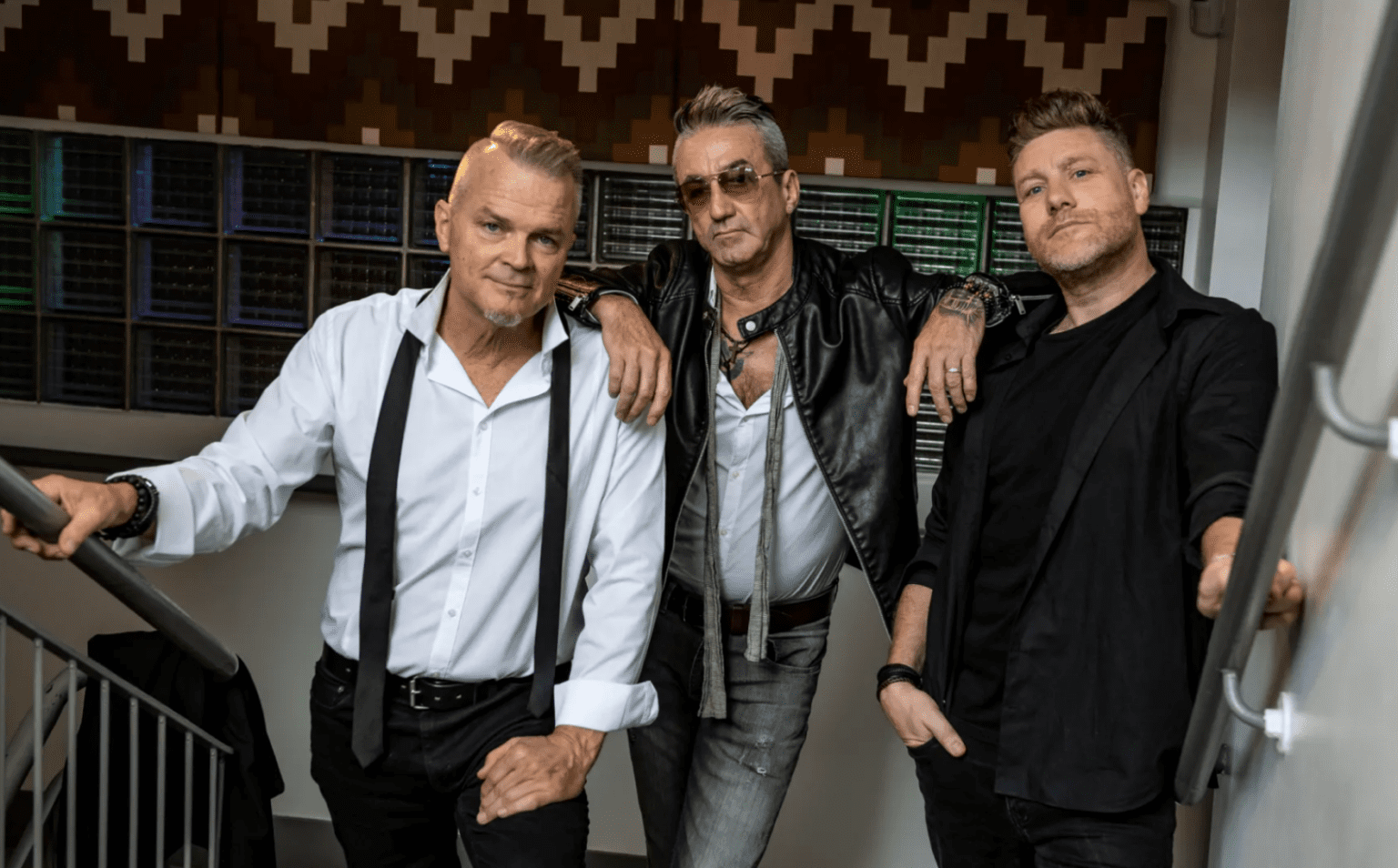
Rising Birmingham duo Johnson & Finnemore have been turning heads in the UK Americana scene with their soulful blend of country, blues, and Laurel Canyon-inspired harmony  

With their debut album Find A Love That Brings You Home breaking into the UK Official Record Store Chart at #18, a sold-out summer run of shows, and the premiere of their documentary The Many Lives of Stuart Johnson, the pair are riding high.   

We caught up with Dan Finnemore and Stewart Johnson to talk about their creative bond, the making of the album, and what comes next.  

Dan and Stewart, what drew you together creatively and inspired the formation of your duo back in 2018?  

Dan: Stewart and I had been circling each other musically for a long time before 2018, and when we finally sat down to write together, it just clicked. His way of colouring songs with pedal steel and dobro unlocked something in my writing. It felt like we’d found the missing piece to bring those ideas fully to life. 
Stewart: We share the same love for country, soul, and old rock ’n’ roll – but we come at it from different angles. That push and pull is what made us want to formalise the duo. It was about creating a sound that neither of us could make on our own.  

Your upcoming debut album Find A Love That Brings You Home blends country, blues, and 70s-style harmony. What guided that sound, and how did the recording process help shape it? 
Dan: We weren’t chasing a single genre, more a feeling – that soulful warmth you hear in a JJ Cale record or the Laurel Canyon harmonies of the ’70s. Those influences naturally blended with my storytelling. 
Stewart: And in the studio, we didn’t force anything. We let the songs dictate the textures – whether it leaned bluesy, folky, or country. That’s why you’ll find a lush waltz like “Babybird” sitting comfortably next to a groove like “Ride High.”  

Stewart, your work on pedal steel, Dobro, and guitar plays such a central role in the duo’s sound. How do you decide which instrument best supports a song’s emotional tone? 
Stewart: I always start with the lyric and the mood. Pedal steel can bring a bittersweet ache, dobro adds grit, and guitar gives you that straight-ahead backbone. It’s about listening closely to what Dan’s written and then choosing the voice that makes the song’s heart beat stronger.  

Dan, your songwriting has often been described as intimate and honest. Can you take us inside your lyrical process—what themes or experiences inspired this new record? 
Dan: A lot of it came from looking at the light in dark times. “Babybird,” for example, isn’t about heartbreak – it’s about finding joy even when the world feels heavy. Other songs wrestle with defiance, like “Ride High,” or confront uncomfortable truths, like in “Beady Eye.” The record really came from living through those shifts and trying to write something that felt human and real.  

The album’s lead single “Babybird” feels tender and timeless, while “Ride High” leans into a bluesy groove. What do these contrasting tracks say about your musical range? 
Dan: They show that we’re not afraid to live in different spaces emotionally. Love and vulnerability on one hand, grit and resilience on the other. 
Stewart: It also reflects how wide our palette is – we can draw from waltzes, blues, or rock ’n’ roll and still make it sound like us.  

You’ve brought in an impressive group of musicians for this project. How did these collaborations influence the direction of the album? 
Stewart: Bringing in players like Buzz Bywater, Liam Grundy, and Howard Gregory really elevated the songs. They brought textures we couldn’t have imagined ourselves. 
Dan: And having Hannah Johnson, Julian Littman, and Charlie Dore lend their voices added another dimension. Those collaborations pushed us further – they made the record bigger and warmer than we could’ve dreamed.  

Your individual musical histories bring different flavours to the table. How do you navigate those distinct styles when writing and arranging together? 
Dan: We lean into them, not away. My natural space is in storytelling and melody, while Stewart’s is in shaping the soundscape. When you trust each other, those differences stop being obstacles and start being the magic. 
Stewart: Exactly – it’s like a conversation. We meet in the middle and the songs become something that belongs to both of us.  

You’ve released the album across digital, CD and vinyl formats. Why was it important to include physical releases at a time when streaming dominates? 
Stewart: Physical music matters – holding a vinyl or a CD connects you to the art in a way streaming never can. 
Dan: We wanted listeners to have that tactile experience, to sit with the record as a whole, not just skip through playlists. It felt essential for a debut like this.  

Looking back on your respective careers, what would you say was a pivotal moment—either solo or together—when you felt a real shift or breakthrough? 
Stewart: For me, the documentary The Many Lives of Stuart Johnson was a turning point. It tied together all the different threads of my musical life and gave context to what we’re doing now. 
Dan: And seeing Find A Love That Brings You Home break into the UK Official Record Store Chart at #18 – that was huge. It told us people were really listening.  

Finally, with the album release on the horizon, what comes next for Johnson & Finnemore? 
Dan: We’ve got “Beady Eye” coming out on September 26th, and it’s a darker, more introspective song – so that’s exciting. 
Stewart: Beyond that, more shows, more writing, and more chances to share this music. We feel like we’re just getting started. 

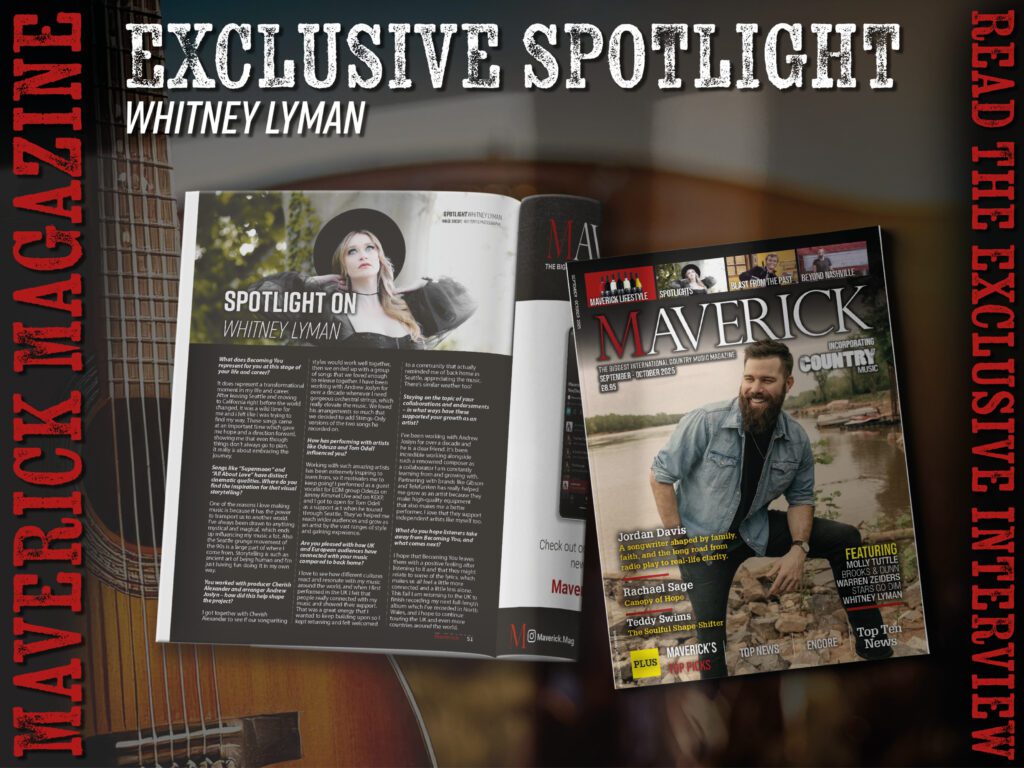
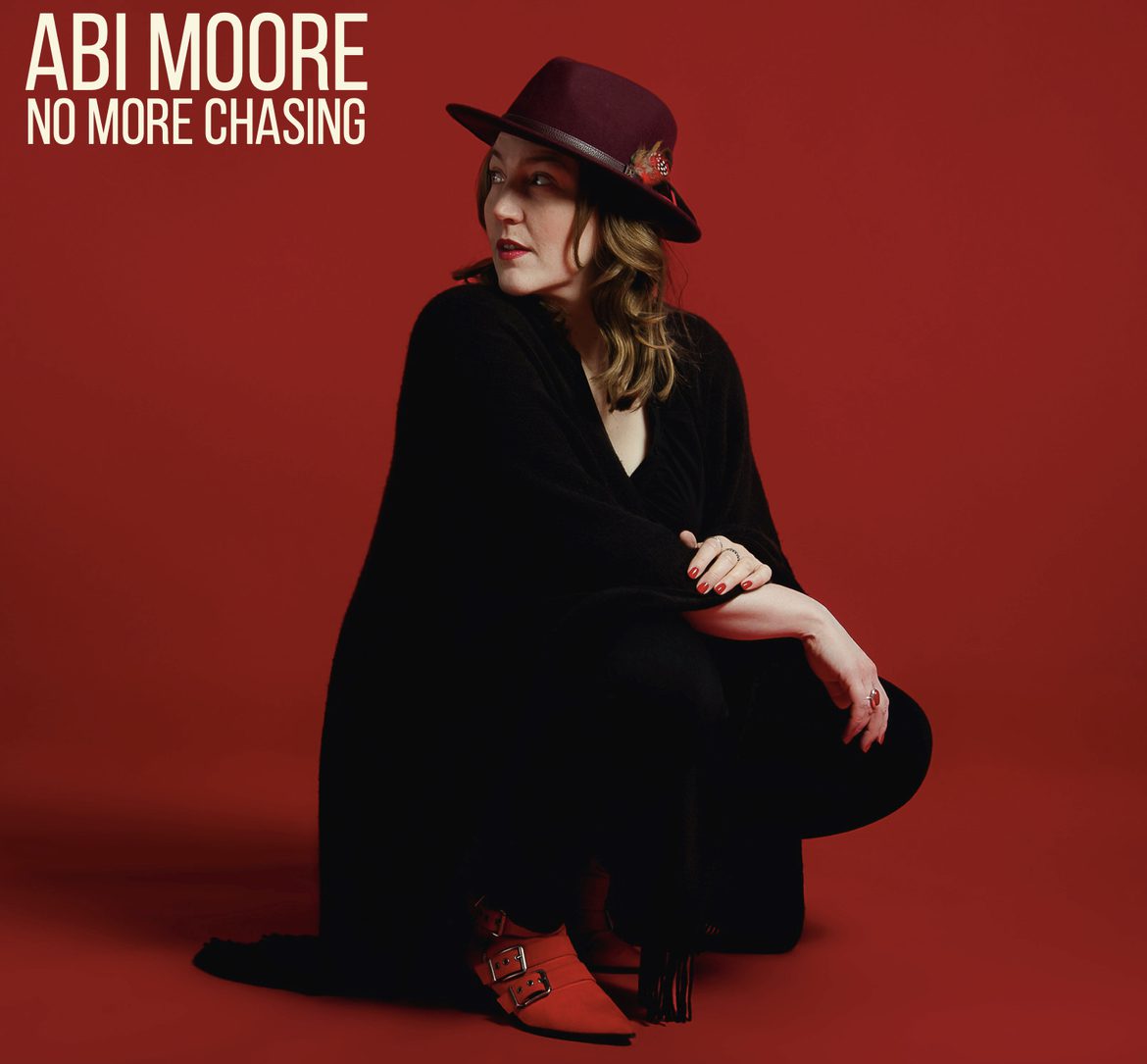
Artist Spotlight – Whitney Lyman

With her new EP Becoming You, Whitney Lyman blends Americana, indie rock, and cinematic pop into a journey of transformation, storytelling, and global connection 

What does Becoming You represent for you at this stage of your life and career?
Yes, it does represent a transformational moment in my life and career. After leaving Seattle and moving to California right before the world changed, it was a wild time for me and I felt like I was trying to find my way. These songs came at an important time which gave me hope and a direction forward, showing me that even though things don’t always go to plan, it really is about embracing the journey. 

Songs like “Supermoon” and “All About Love” have distinct cinematic qualities. Where do you find the inspiration for that visual storytelling?
One of the reasons I love making music is because it has the power to transport us to another world. I’ve always been drawn to anything mystical and magical, which ends up influencing my music a lot. Also the Seattle grunge movement of the 90s is a large part of where I come from. Storytelling is such an ancient art of being human and I’m just having fun doing it in my own way. 
You worked with producer Cherish Alexander and arranger Andrew Joslyn – how did this help shape the project?
I got together with Cherish Alexander to see if our songwriting styles would work well together, then we ended up with a group of songs that we loved enough to release together. I have been working with Andrew Joslyn for over a decade whenever I need gorgeous orchestral strings, which really elevate the music. We loved his arrangements so much that we decided to add Strings-Only versions of the two songs he recorded on. 

How has performing with artists like Odesza and Tom Odell influenced you?
Working with such amazing artists has been extremely inspiring to learn from, so it motivates me to keep going! I performed as a guest vocalist for EDM group Odesza on Jimmy Kimmel Live and on KEXP, and I got to open for Tom Odell as a support act when he toured through Seattle. They’ve helped me reach wider audiences and grow as an artist by the vast ranges of style and gaining experience. 

Are you pleased with how UK and European audiences have connected with your music compared to back home?
I love to see how different cultures react and resonate with my music around the world, and when I first performed in the UK I felt that people really connected with my music and showed their support. That was a great energy that I wanted to keep building upon so I kept returning and felt welcomed to a community that actually reminded me of back home in Seattle, appreciating the music. There’s similar weather too! 

Staying on the topic of your collaborations and endorsements – in what ways have these supported your growth as an artist?
I’ve been working with Andrew Joslyn for over a decade and he is a dear friend. It’s been incredible working alongside such a renowned composer as a collaborator I am constantly learning from and growing with. Partnering with brands like Gibson and Telefunken has really helped me grow as an artist because they make high-quality equipment that also makes me a better performer. I love that they support independent artists like myself too. 

What do you hope listeners take away from Becoming You, and what comes next?
I hope that Becoming You leaves them with a positive feeling after listening to it and that they might relate to some of the lyrics, which makes us all feel a little more connected and a little less alone. This fall I am returning to the UK to finish recording my next full-length album which I’ve recorded in North Wales, and I hope to continue touring the UK and even more countries around the world. 

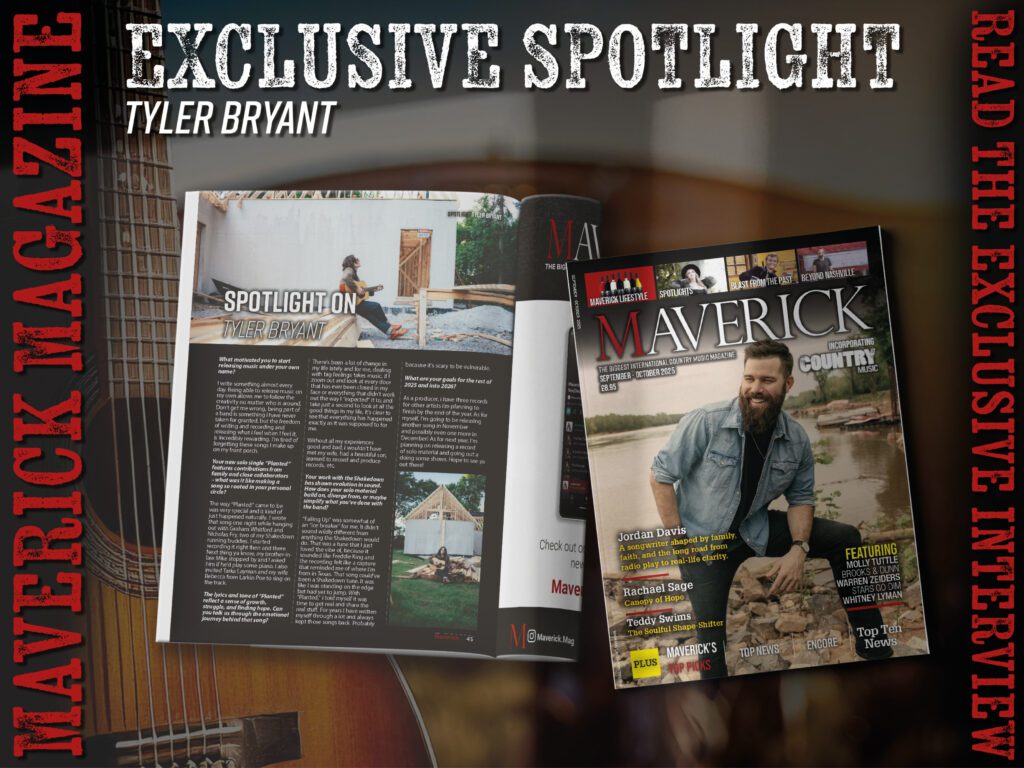
Tyler Bryant - maverick-country.com

Artist Spotlight – Tyler Bryant

Bryant’s solo project strips things back to the roots, finding clarity, connection and strength in songs that reflect the twists, trials and triumphs of his journey 

What motivated you to start releasing music under your own name? 

I write something almost every day. Being able to release music on my own allows me to follow the creativity no matter who is around. Don’t get me wrong, being part of a band is something I have never taken for granted, but the freedom of writing and recording and releasing what I feel when I feel it, is incredibly rewarding. I’m tired of forgetting these songs I make up on my front porch. 

Your new solo single “Planted” features contributions from family and close collaborators – what was it like making a song so rooted in your personal circle? 

The way “Planted” came to be was very special and it kind of just happened naturally. I wrote that song one night while hanging out with Graham Whitford and Nicholas Fry, two of my Shakedown running buddies. I started recording it right then and there. Next thing ya know, my brother and law Mike stopped by and I asked him if he’d play some piano. I also invited Tarka Layman and my wife Rebecca from Larkin Poe to sing on the track.  

The lyrics and tone of “Planted” reflect a sense of growth, struggle, and finding hope. Can you talk us through the emotional journey behind that song? 

There’s been a lot of change in my life lately and for me, dealing with big feelings takes music. If I zoom out and look at every door that has ever been closed in my face or everything that didn’t work out the way I “expected” it to, and take just a second to look at all the good things in my life, it’s clear to see that everything has happened exactly as it was supposed to for me. 

Without all my experiences good and bad, I wouldn’t have met my wife, had a beautiful son, learned to record and produce records, etc.  

 Your work with the Shakedown has shown evolution in sound. How does your solo material build on, diverge from, or maybe simplify what you’ve done with the band? 

“Falling Up” was somewhat of an “ice breaker” for me. It didn’t sound wildly different from anything the Shakedown would do. That was a tune that I just loved the vibe of, because it sounded like Freddie King and the recording felt like a capture that reminded me of where I’m from in Texas. That song could’ve been a Shakedown tune. It was like I was standing on the edge but had yet to jump. With “Planted,” I told myself it was time to get real and share the real stuff. For years I have written myself through a lot and always kept those songs back. Probably because it’s scary to be vulnerable.  

What are your goals for the rest of 2025 and into 2026? 

As a producer, I have three records for other artists I’m planning to finish by the end of the year. As for myself, I’m going to be releasing another song in November and possibly even one more in December! As for next year, I’m planning on releasing a record of solo material and going out a doing some shows. Hope to see ya out there! 

Top Picks

Spotlights

This Month

Maverick Radio

Take the Quizz

Test your country music knowledge with our Quiz of the Month and see how well you know the artists, albums, and stories behind the songs. 

Enter the competition

Enter for your chance to win exciting prizes, including VIP tickets, exclusive event discounts, and much more

Give your view

Cast your vote and help shape the conversation. Your voice matters. Take the poll and be heard.

Top of the charts

Artists

It seems we can’t find what you’re looking for.

Live Events

Scroll to Top