Exclusives

darius rucker

Interview: Darius Rucker – True Believer

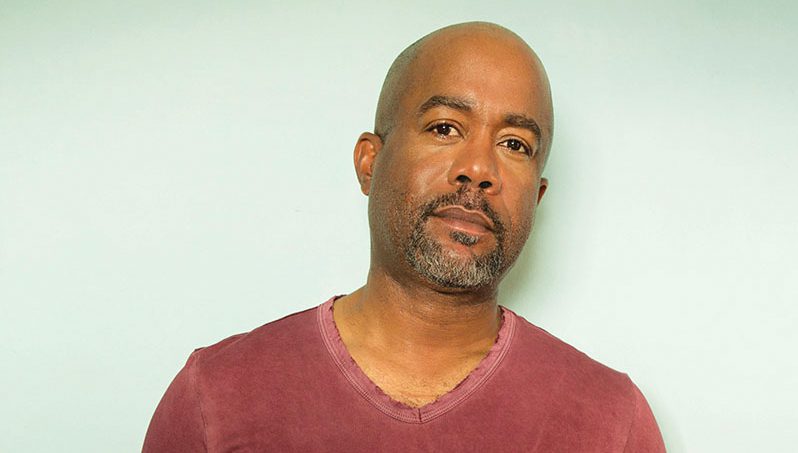
The rocker turned country crooner tells Teri Saccone how he’s straddled the divide. With a rich baritone smooth like ‘Tupelo honey,’ singer-songwriter Darius Rucker has tapped into the mainstream twice: initially via 90s platinum pop rockers Hootie & The Blowfish and then in country in 2008, with debut single Don’t Think I Don’t Think About It off his hit album Learn To Live. CMAs followed as have more Grammys, industry accolades and touring. Although the music press hailed it as a major move, on closer inspection the crossover was fairly organic as South Carolinian Darius was raised on Hee-Haw, has listened to country since childhood and Hootie & The Blowfish extolled flavoursome rootsy folk rock. Since his country foray, Rucker’s career has flourished again. He’s collaborated with Brad Paisley, Alison Krauss, Lady Antebellum’s Charles Kelley, Carrie Underwood and Vince Gill among other country elite. And his four albums and ensuing tours have been both commercially and critically embraced. During his 2012 induction into the Grand Ole Opry, Gill described him as someone “everyone adores”. With all the adulation and adoration, CM’s expectations were high when we spoke to Darius on the eve of the C2C 2017 tour. Fortunately, the man with the golden pipes does not disappoint. He is both gracious and humble. Cognisant of his good fortunes, he offers: “I’m so lucky. I wasn’t expecting any of it,” with no mention of the absurdly hard graft involved. As Rucker is about to grace our stages, he is palpably enthused. “I’m more excited about this than I can say. Touring the UK is fantastic, because the fans there are so rabid and they really do love country music. There is a grassroots loyalty with country that does not exist in pop or rock. It’s a different beast.” Rucker grew up venerating soul, rock and the kaleidoscopic musical menu of USA’s once-diverse AM radio. But one of the first country stars he was enamoured with was Kenny Rogers. “Kenny’s music is so real, his songs are great stories, so vivid and cinematic and he drew me in as a young kid. I loved growing up in the 70s because you could hear Kenny, Cheap Trick, Al Green, The Beatles and Buck Owens all on the same channel.” When he appeared on Radney Foster’s 1999 album See What You Want To See it was a watershed moment for him. “I knew then I really wanted to go in that direction. I told the guys in the band (Hootie) that I was gonna make a country album even back then.” When Hootie went on hiatus in 2008 the timing couldn’t have been sweeter and Rucker began forging a country path. “I got lucky going to Nashville and I didn’t think it was necessarily going to work, and neither did my representation. We were not presuming it was gonna explode for me. But luckily we made such a great first record (Learn To Live). We then literally drove around the country,” he adds, “and we did a national country-radio tour to support it. Some people thought I was nuts, but I wanted to prove myself to Nashville. On that radio tour, I had programmers tell me they were unsure if their audience would accept me. But I knew that I had to start with country that way. Having country music accept me made me so happy I do what I do. Okay, it’s not curing cancer, but it made me feel like I am on the right track.” This modest assessment comes despite the fact that H&TB sold in excess of 26 million copies of Cracked Rear View, making it among the most successful US-made albums in history. Yet Rucker is not one who tends to sing his own praises. Given that Nashville can be quite unforgiving to crossover artists, why does he think he was accepted as authentically country? “I think the main reason is because people knew this was not about money or being a superstar. I would have done this in the basement of my house with my friends if that was as far as we got. I was making this music for me.” One of the recurring themes in Rucker’s lyrics is also a country staple: family. The poignant It Won’t Be Like This For Long bears this out. “The personal songs are best for me as a writer. I could try fictional songwriting, but it wouldn’t be honest. I write about what I live both now plus from my past experiences, so the real-life topics are my trademark.” He says his songwriting is unpredictable and ideas often transpire without plotting or provocation. “Melodies and lyrics come to me in a variety of ways. But they often appear simultaneously. One thing he won’t ever do, however, is write a song and then simply ‘countrify’ it in the studio. “I won’t take a pop song, stick fiddles or a banjo on it and call it ‘country’,” he explains emphatically. Since we already know what he is, I probe him about who he is. He takes a few seconds to ponder the question before replying: “Who I really am is a father. That is my number-one purpose. To have contented, healthy children is a privilege for anyone. And I never forget it.” The answer is poignant, because his mother raised him and his siblings pretty much singlehandedly, with their dad absent and only visible to them on Sundays right before church services. “For a time, we lived with cousins and aunts and we were a very close family and we still are now.” Perhaps his familial ties keep him living in his hometown of Charleston, when he could choose to reside anywhere. “Home is truly here, in every way imaginable,” he explains. Not only do his roots in the historic city run deep, he also is a hands-on philanthropist, having set up two charities. His golfing charity (he’s an avid player and a close pal of Tiger Woods) raises funds for

Interview: Darius Rucker – True Believer Read More »
tift merritt

Interview: Tift Merritt – Keeping Me Happy

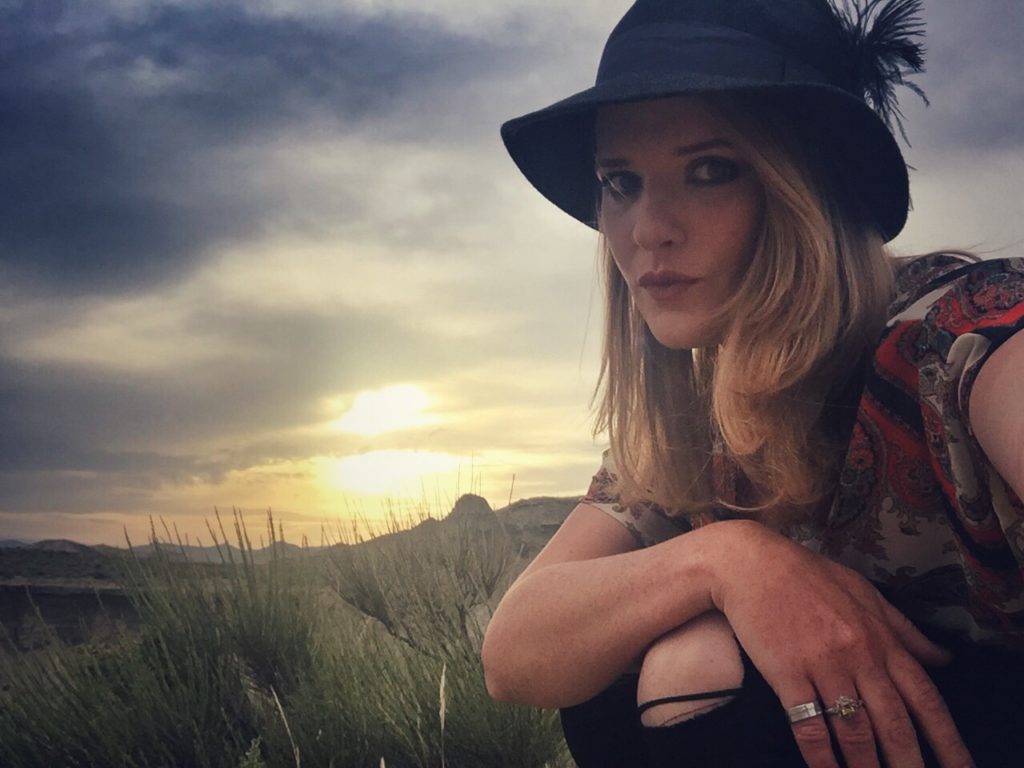
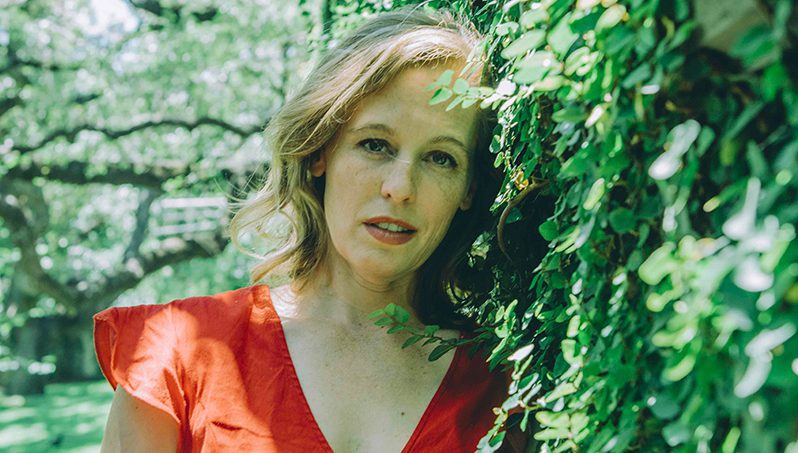
The irrepressible singer reflects on turning a corner, getting away from it all and climbing a tree, writes Johnny Sharp. “Ha ha ha heeeee!” Is Tift Merritt drunk? Or possibly a little high? In all likelihood, the singer-songwriter is neither of those things, since it’s only 4pm in New York as she answers Country Music’s phone call. But she does sound positively giddy with excitement as she talks about her first solo record for over four years, Stitch Of The World. Peals of shrieking laughter punctuate our chat as she discusses her 15-year recording career, the recent changes in her life and the break from solo performing that helped her regroup, refresh and make arguably her strongest album to date. After complimenting our name, we ask about her own, original moniker. “It’s a family name,” she replies. “They started naming all the other family members Tift, and I’m actually the only female Tift. I’m not sure that’s what they were thinking when I was born – ha ha!” Collaborative Approach Names, like genres, are something you may be able to disown, but it’s hard to shake them off entirely. And while Merritt’s new album draws on blues, folk and singer-songwriter influences, it’s shot through with an unmistakably country feel, whether in the streaks of pedal steel, the Southern twang in her voice or the emotionally upfront lyrical approach. And the woman herself is only too happy to be seen as part of that musical lineage. “I’m proud to be part of the country tradition. I’ve always loved all kinds of roots music, and I love traditional storytelling in song. I don’t like being compared to country pop, though – I identify with the traditional country music people like Kitty Wells and Emmylou Harris – they’re among my heroes along with Carole King, Joni Mitchell and Billie Holliday. But I think genres are usually fingers of the same hand, so you take any of those influences away from me and it’d be like removing a finger. It’s all part of me.” This is a woman who is nothing if not versatile, however, and after she finished touring 2012’s Traveling Alone, her next project was a collaboration with classical pianist Simone Dinnerstein, a collection of small-hours piano and guitar pieces they called Night. It’s a delicately beautiful,intoxicating listen that’s well worth checking out for any Merritt fans. She followed that up by touring with off-kilter singer-songwriter Andrew Bird, a long-term collaborator and friend, as part of his band Hands Of Glory. Was it fun to share the burden with other musicians for once? “Absolutely – I really enjoyed that deeper collaboration,” she says. “I really love being in bands playing with other people in a supporting role, and it also reinforced some of the things I do myself – every time you’re having these experiences with other people, it’s going into your own personal well of things to draw from.” Leaping Off The Map As it turned out, she had plenty of personal food for thought anyway. By the end of 2014 she was about to turn 40, and a year previously she had split with husband and band drummer Zeke Hutchins. She took a few months out to write songs in a cabin in California and a friend’s ranch in Marfa, West Texas. “It was a leap off whatever map I’d written for myself,” she says, “and I think there’s some trial and error in all that. But I had to step away. With all the projects and tour dates, I was turning 40 and my life had taken unexpected turns, and I needed to sort through it without any other distractions.” Retreating to rural solitude to summon the creative muse has become a popular approach for songwriters, and you wonder if the ‘cabin’ of which musicians speak is basically a big fat studio that just happens to be out in the sticks. In Merritt’s case, though, it was part buswoman’s holiday, part artist’s retreat. “I was in Big Sur, a beautiful part of California,” she says. “It was my 40th birthday present to myself! It was definitely a retreat, getting out of the grind of regular life. For me, part of writing is looking at things in a different way, and sometimes the physical experience of doing that can prompt the mental approach to doing that. “California is so beautiful, but there’s also an aspect where I have a writing routine, which I just don’t get while I’m on the road. I was going hiking every afternoon, and that’s how the lyrics for Heartache Is An Uphill Climb came about – because I had had my ass kicked by a real mountain in California! Ha ha!” Walking The Line Merritt’s routine revolved around writing in the mornings and then hiking in the afternoons, or for however long it took to get to the end of the road. “I always find walking is a great way to think,” she says. “Sitting at a desk there’s this self-imposed pressure to do something important, whereas being physical is a great way to free your mind. I’d be singing things into my phone because ideas would be coming to me as I walked. I did a similar thing when I lived in Paris for a while a few years ago, and then I tried it again a few years later after they had installed all the city bikes, and it was such a different experience because the pace of the city bike was so much faster. You can only go so fast when you’re walking and you really can take in your surroundings and really notice. So I think walking and hiking really worked for me – and these were long hikes – I would come home at the end and go to sleep!” Another song that came from that California trip was the title track of the new album, Stitch Of The World. “As it weaves through your heart, try not to

Interview: Tift Merritt – Keeping Me Happy Read More »

Rodney Crowell

Interview: Rodney Crowell – The Long Distance Run

From struggling songwriter to country superstar to veteran outsider, Rodney Crowell has followed his muse on a 45 year journey that has finally led him to a place where he feels like he’s doing his best work. Of the 700,000 people living in Nashville in 1972, probably a good 7,000 were songwriters, most of them looking for a break. So, when a 22-year old kid from Crosby, Texas, named Rodney Crowell made it 7,001, no one took much notice. Crowell believed that he was hitting Music City with his ticket already stamped. “I came to town thinking I had a record deal and the opening slot on a Kenny Rogers and First Edition tour,” he tells Country Music. “None of which turned out to be true. That’s a long story. So, in the beginning, I was sleepwalking. As I started to wake up to the songwriting thing inside myself, the ambition wasn’t anything but to write a song good enough that Guy Clark or Townes Van Zandt would think was okay. They were already there, close to the street. I had access to a gathering of songwriters at a house on Acklen Avenue that I shared with Richard Dobbs and a guy named Skinny Dennis. So I was getting educated.” Eight months later, Crowell caught his first break, courtesy of guitar picker extraordinaire and country star Jerry Reed. “Jerry and his manager heard a song I wrote and played at a happy hour at the Jolly Ox, and they recorded it the next morning,” Crowell recalls with a smile. “Jerry paid me 100 dollars a week to write songs in 1973. That’s all I needed. I could keep a roof over my head, and have something to eat, and spend all my time writing. He had a studio and an office where I would go to hang around. I would just watch him and Chet Atkins show each other guitar licks. Chet was there all the time, along with the likes of Paul Yandell, Buddy Spicher and Vassar Clements. I was a kid and I’d just sit quietly and observe all these incredible musicians. That was a gift. “I remember when I went to the studio to teach the first song to Jerry and the musicians,” Crowell continues, “I walk in and there was nobody there but Chet Atkins. I sat with Chet for 20 minutes while he explained the console to me. He said, ‘Did you write this song we’re recording?’ I said, ‘Yes, sir.’ What I wanted to do was sneak out and find a pay phone and call everybody I knew!” Drink Your Fill & Blow U All Away A lot of the romance and wonder of Crowell’s early days is lovingly documented on the walls of his home studio in Franklin, Tennessee, where we meet for our conversation on an unseasonably warm February day. There’s one photo of Rodney’s daughter Caitlin at 11 months, sitting on the lap of her grandfather Johnny Cash, and a wedding day snap with Rosanne Cash. Another photograph shows Rodney in 1977 with Hot Band drummer John Ware, at the Rembrandt Museum, and there is also a beautiful vintage poster of the Ryman Auditorium. His storied history also finds its way into many of the songs on his latest album Close Ties, especially Nashville 1972, I Don’t Care Anymore and the poignant Life Without Susanna. The latter is about Susanna Clark, one of the most important women in Crowell’s creative life. He says: “Susanna was a muse – a poet, and a really great songwriter and painter. She embodied the goddess as artist. So, Townes Van Zandt, Guy Clarke, Willie Nelson, Lyle Lovett, Steve Earle, Richard Leigh, Dick Feller and myself all, in one way or another, played to Susanna as an audience of one. Townes probably came closer than any of us to dreaming those songs the way that Susanna would receive them. Your songs had to be really poetic for her to receive them. She really saw it as poetry. Whenever she received a song that I had written kindly, there had to be some truth to it and it had to resonate as poetry.” Emmy the Great By the mid-’70s, Crowell was making more connections.He was invited to join Emmylou Harris’ famous Hot Band, playing rhythm guitar alongside Albert Lee, Glen D. Hardin and John Ware. He also became one of Harris’ favourite songwriters, with her cutting definitive versions of early Crowell classics like Bluebird Wine and Till I Gain Control Again. “Emmylou started recording my songs and shortly thereafter, a lot of other people did, too,” says Crowell. “People were listening to Emmy’s records and then saying, ‘Well, who’s this guy writing this stuff?’ – Emmy changed my life.” A hidden gem that Crowell wrote for Harris in 1979 was Here We Are, a duet she recorded with George Jones. With its spare, direct language and elegant melody, it seems a world away from the more dense lyrical songs he’s writing today. But it illustrates his influences and the depth of his songwriting toolbox. Crowell says: “I cut my teeth on Hank Williams, and that kind of very simple language. That was back in the day when all of these things were new. Hank was writing ‘Your cheatin’ heart will tell on you…’ which is still a great line, no matter what time in the existence of mankind. “It was so very simple, and those very simple, almost Hallmark card sentiments were so new then that it was a primer for how to do it. Then The Beatles came along and scrambled it up. Then Bob Dylan introduced Rimbaud to songwriting. Suddenly the paradigm had shifted into this broader verbiage. To write with that kind of simplicity became harder because it had been done so well. “I wrote Here We Are with a purpose. I was having an extra-marital affair during my first marriage and it was kind of about that. It was easy to write,

Interview: Rodney Crowell – The Long Distance Run Read More »

Reba McEntire

Interview: Reba McEntire – The Gospel According to Reba

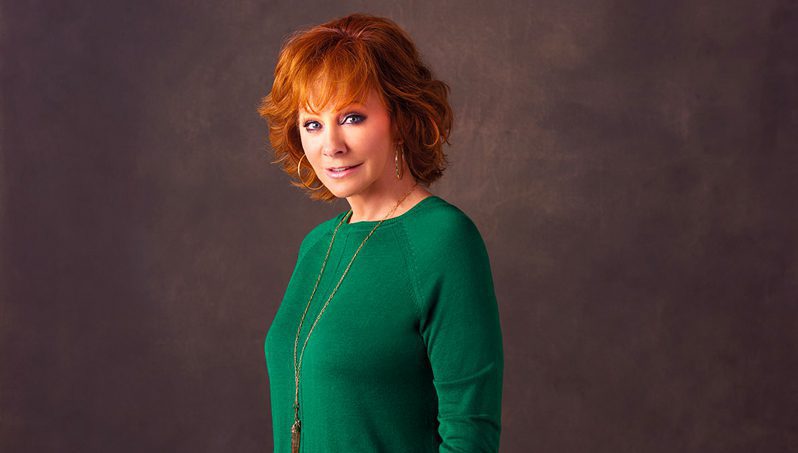
The country queen describes how her new album of hymns and contemporary gospel has come at just the right time. Reba McEntire has been the Queen Of Country Music for so long, it’s sometimes hard to remember just how many boundaries she’s crossed and how many ceilings she’s smashed through. She’s our touchstone, a direct connection from traditional Nashville names of the past through to today’s country-chart acts. And she also taps into the eternal, symbiotic relationship between country and church, especially on her brand new double album, Sing It Now: Songs Of Faith And Hope. Perhaps surprisingly, this is Reba’s first gospel record, and she’s taken immense care to make every track count, gathering old hymns – mainly from the 19th century – for the first disc, and much newer, inspirational material for the second. She’s just come through a challenging couple of years, reluctantly divorcing her husband Narvel Blackstock after 26 years of marriage, which also meant completely remaking the multifaceted business empire that they’d previously been running together. In fact, it’s now been renamed RBI (Reba’s Business Inc). So she’s coming up for air, touring, performing in Vegas with Brooks and Dunn, and flying to the UK and Ireland to headline the C2C festival. Raised on rodeo and religion, Reba McEntire has never been a quitter. She always picks herself up, brushes herself down and throws herself into a new project. So when her private life was being splashed across the tabloids, instead of hiding away, she gave honest interviews. She admitted that she hadn’t wanted the divorce, but firmly believed that life is too short to be miserable. So while she acknowledges the invaluable support of fans, friends and family, she also prayed for guidance, which is what got her through. “I’ve had a pretty trying time this last two and a half years, and God’s the one that I always turn to,” she says. In fact, Reba can’t recall a time when her faith hasn’t guided her. “As far back as I can remember, I’ve known about the Lord,” she says. “And my relationship with God has been very solid. I’ve always known He’s on my side. I’ve known He’s always there when I need Him. And I try to do things in ways that please Him, and I listen and get direction from Him. Of course, I’ve not been the perfect follower all my life. At times my dedication ebbs and flows. It’s probably not a good thing to say, but it’s honest. I turn to Him when I need help. And now that I’m so appreciative I’m going to stay in communication with Him a lot more.” So a gospel album became an ideal pick-me-up for Reba to reconnect her with her faith and her past. We might assume that this was influenced by her sister, country-gospel singer, Susie McEntire, but Reba disputes this. “It was actually my friend Bill Carter, my manager in the 80s, and my producer Tony Brown who encouraged me to do an inspirational album.” She then talked to Susie, whose reaction was: “Oh yeah, you’ll have a blast!” Not that Reba hasn’t belted out spiritual numbers before. “I’ve recorded a lot of songs on the 37 albums that I’ve done – like Suddenly There’s A Valley (on 1980’s Feel The Fire) and Walk on (on 1990’s Sweet Sixteen) – that are very inspirational,” she says. “You could call them gospel songs if you want, because they are uplifting.” And she always knows the kind of response she’ll get, because audiences “get riled up and responsive, just like church!” Starting Over When she tried to select songs for Sing It Now, Reba found it wasn’t easy. “There are so many great songs. But they only wanted 10, so I was going to do a mixture of five old hymns and five new songs. I recorded way too many, so when I gave them 15, I said ‘Okay, I’ve over-recorded. You guys are going to have to pick which ones you want to take out,’ but they said, ‘We can’t decide either, it’s going to be a two-disc CD. So go on back in the studio and record five more!’ It worked out really well.” She has a simple yardstick when picking songs. “If I listen to a song and it doesn’t touch my heart one way or the other, happy, sad or something, I don’t record it,” says Reba. “Because if I record a song, when I sing it on stage, and if it really did touch my heart, hopefully it will touch your heart too when you hear it. And if that doesn’t work, then we’re wasting everybody’s time, mine and yours included!” Reba says she didn’t need to try them out in church, because “I’ve been singing I’ll Fly Away forever, since I was a little kid. And When The Roll Is Called Up Yonder, How Great Thou Art, Amazing Grace, those are tried and true. We just made some different arrangements on the songs.” To make the album distinctive, she brought in friend Jay DeMarcus of Rascal Flatts – who’d previously founded contemporary Christian music group East to West – to co-produce in his home studio, along with her bandleader and musical director Doug Sisemore. “They came up with new ways of doing the great old hymns to make them a little different. So instead of me doing How Great Thou Art real big and loud, with orchestra and choir, I made it a love song to God. It’s very special to me.” You don’t have to be religious to appreciate this double album though, as it’s also satisfying musically. Reba, DeMarcus and Sisemore have taken disc one’s old, familiar material, and made it new, while the second disc sees new songs made more accessible. So listeners can either immerse themselves in classic gospel hymns, like Oh Happy Day, or dive into contemporary compositions like Hallelujah, Amen that complement Reba’s faith. Or just ‘shuffle’ between

Interview: Reba McEntire – The Gospel According to Reba Read More »

brad paisley

Interview: Brad Paisley – An American Saturday Night (In The UK)

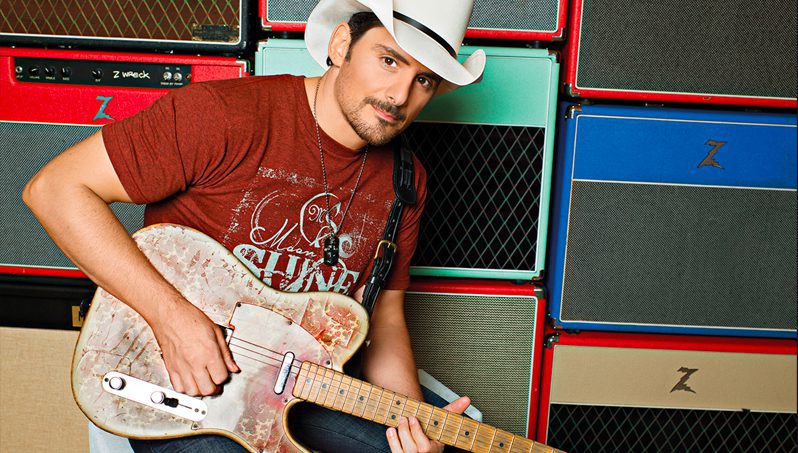
Brad Paisley reveals his love of all things British to Kieran Kennedy. George Hamilton IV was popularly known as the International Ambassador for Country Music. But since Hamilton’s passing in 2014, that title could equally well be given to this year’s C2C headliner, Brad Paisley. The clean-cut, Stetson-clad singer has always appealed to British fans, and particularly those who favour more traditional country sounds, thanks to songs like the unashamedly nostalgic Too Country, with its guest appearances from genre legends Buck Owens, Whisperin’ Bill Anderson and George Jones. The song was literally ‘too country’ to be considered for release as a single in America, but was embraced as an instant classic on this side of the pond. Paisley, meanwhile, is happy to take on the responsibility of maintaining the reputation of country music – and indeed America – around the world. As he said when Keith Urban presented him with the CMA International Artist Achievement Award in 2015, “I think country music works as one of the best ambassador-type things you can do in an artform. When you send other forms of music overseas, it’s obviously something people flip out over and love, but I don’t know if it reflects real life like our format does. Any time you see people in Sweden loving country songs and buying into what we are as artists, they’re seeing the real America. In that sense we have an obligation as a format to try and get this everywhere we can.” Looking forward to this year’s C2C, Paisley says: “I’ve loved every time we’ve ever played over there. I think that when it comes to country music, the fans in the UK are in some ways more intense, because they’re sort of starved of it. We show up and we feel exotic to you, whereas in America, I’m the farthest thing from exotic!” Brad last played C2C in 2014 and feels that the annual bash has made a big difference to perceptions of country among the wider British audience. “I know for a fact that the first time I did C2C there were a lot of people who were there more out of curiosity than a desire to hear country,” the singer says. “And I think that now, a couple of years later, that’s changed and they know what to expect and they can’t wait.” Early Relationship Paisley has been coming to the UK since 1999, the year that he released his first album, Who Needs Pictures. As a new artist, he was part of a package headlined by another of this year’s bill-toppers, Reba McEntire. “I had a great time, but it was a lot of work,” he remembers. “The touring wasn’t as cushy as it is now and we didn’t necessarily have it all mapped out right. There was a lot of jet lag and no time to acclimate, so it was rough. I had band members that I had to wake up to go on stage, because they were asleep in the dressing room! “I remember telling my manager at the time, ‘I’d kinda like to become a star in America first, because that’s hard enough, and then after that, we’ll go back.’ “And that’s exactly what we did. Out of the blue, I really got the bug to go over again. I was heavily into British culture. I was watching The Office on TV, and Jools Holland and Top Gear. I loved everything about it and said, ‘I wanna go back!’ “I was told at the time, ‘There’s not much return on your investment, you’re gonna play small venues, but go because you’ll have a good time.’ So we went, and it went so much better than anyone expected. We started to really focus on the UK and we went every year for a little while. It was truly magical.” It wasn’t just that Paisley had become an established artist, but that country music had become much more accessible in Britain, generally. “When I first went, there wasn’t YouTube or any way to find my music. When I went back, I realised that the world had really shrunk,” he says. One of Paisley’s favourite things about his UK fans is that our tastes haven’t been shaped by country radio. We’re as likely to latch onto an album track as a particular favourite as opposed to a US hit single, simply because those singles never had blanket radio play over here. “I can get away with doing different songs when I go to London than I can do in the United States, where they want to hear No. 1 hits and not have too much new thrown at them,” he says. “I can dig in and do things that would be obscure to some of my American fans, because the European fans have studied them more and they know them. “I remember the first time I played Shepherd’s Bush,” Paisley continues, enthusiastically. “I was testing the waters and I said, ‘Okay, I’m going to dig back and play something really old.’ I played Long Sermon, which was the first track on my first album. If I played that in America, there would be a really small proportion of the crowd that knows the words, and there would be a lot of fans who came along in the last decade that don’t. They might like it, but they wouldn’t know it. “But here I was in Shepherd’s Bush with a couple of thousand people singing every word. I realised at that point that there was probably nothing I could do that would stump them.” It’s particularly rewarding to Paisley when fans ‘get’ the words of his songs, because more than many artists he is very much a word man. His songs such as Celebrity, Alcohol and Online are full of humorous observations and funny lines in the tradition of Nashville lyricists Roger Miller, Tom T Hall and Shel Silverstein. “I don’t know what it is about British culture and the British

Interview: Brad Paisley – An American Saturday Night (In The UK) Read More »

brandy clark

Interview: Brandy Clark – Small Town Girl

Fresh off the success of her Big Day In A Small Town album and tour, Brandy Clark tells Helen M Jerome how she writes such outrageously addictive songs, how she approaches intensely personal and taboo topics and how close she’s been to broke. Brandy Clark has been writing for years, for all kinds of country artists, from LeAnn Rimes and Kacey Musgraves to Keith Urban and Darius Rucker. But was there a precise moment she looks back on as her big break? “Definitely,” she says. “I remember the real turning point, when I thought this could really happen. I had toiled away for a long time, and not had a lot of success as a writer. Then Reba McEntire recorded two of my songs [Cry and The Day She Got Divorced] for her All The Women I Am album. She’d cut a song of mine for a previous album, but it fell off, because people usually record more songs than make the record. I mean, I recorded 14 songs for Big Day… and it has 11. But Reba cut those two songs and they both made the record.” And that was it. Brandy was on a roll. Today, Brandy’s ambition is growing and she’s working towards getting her passion project, Moonshine: That Hee Haw Musical, onto Broadway “soon after 2017”, which is another collaboration with long-time friend, Shane McAnally. But before we get ahead of ourselves, if you haven’t already, you should first check out her 2013 debut album, 12 Stories, which had critics reaching for superlatives, and brought songwriting nominations and awards. Now she’s delivered the fine follow-up, Big Day In A Small Town, which contains so much energy, and is crammed with so many ideas, references and characters, that you need several listens to appreciate how well it hangs together, hooking you in and refusing to let go. Having grown up in a town with a population of just 900, you can see that some of it might be autobiographical, and she says that when the song, Big Day In A Small Town was written, she thought, “Boy, that would be a great title for an album.” But she just tucked it away and didn’t really think about it until she was getting ready to make a record again. “I had some ideas swirling around in my head and that was one, and I kind of tried to build around it. I definitely knew that it would be the title and centrepiece of the album.” That was around two years before her producer, Jay Joyce came onboard. Brandy’s label, Warner Bros., set them up to work together, so they went for coffee and just hit it off, agreeing to jump in and make music together. They complement each other, says Brandy, as “Jay is a real genius and is just about the job. He doesn’t get involved in the politics of the business. He just keeps his head down and works. So he was a great guy for me, because it’s just all about the music.” She was able to bring in the songs she already had, as all the writing had taken place before they met. “A lot of times with the producer, you are writing songs for the record with them,” she explains. “That’s just how Nashville works, you get set up to write with people. But I’ve never worked with a producer where we’re writing for the record. Not that I wouldn’t, but I haven’t done it that way yet.” When they started to work together, Jay Joyce asked her to listen to Neil Young’s Harvest, which wasn’t a record that really meant anything to her. But he assured her that there were some songs on that record that would work really well for her sonically, so that’s when she became familiar with Young’s classic 1972 album, and songs like Heart Of Gold, Alabama, and The Needle And The Damage Done. High-concept Country The idea of her own record being an almost-concept album wasn’t a conscious thought, according to Brandy. She certainly hadn’t imagined doing a whole record about her hometown until Big Day In A Small Town was done. And she still claims she’s not yet made a hard and fast concept record: “They’ve always just been loose; and if I keep making records, I think that’s how I’ll keep thinking about them, as loose concepts. But at some point, I think I’d like to make a real concept record.” Her own favourite concept records, she says, are Willie Nelson’s Red Headed Stranger, plus Pancho & Lefty, which is Willie with Merle Haggard. Concept album or not, its title track is a fond love song to the logging town she grew up in: Morton, in Washington State, a place she left years ago, but still has a pull for her. “It’s just going back into where I’m from. To people that I’ve known my whole life and loved.” She stops to consider. “I mean, I couldn’t live there anymore because I’ve been too citified, with having a Starbucks on the corner and that sort of thing, but it’s always nice to go back.” To make all those hometown names and places familiar to the listener, Brandy wanted a map of a small town included in the album artwork. “But I didn’t say I wanted it for the cover,” she insists. “I said maybe the background of the artwork could be a map. So the next day, a guy from Warner Bros. [Stephen Walker] sent over what he’d drawn, with the streets as song titles. Which he really didn’t intend as the cover,” she recalls. “It blew my mind that he came up with it. I was like, that’s the cover right there!” In fact, the whole album feels just as organic musically, although some tracks came from her back catalogue, since she never stops writing. “That’s been really good,” she says, “because there are songs on Big Day… that were written before 12

Interview: Brandy Clark – Small Town Girl Read More »

the grahams

Interview: The Grahams

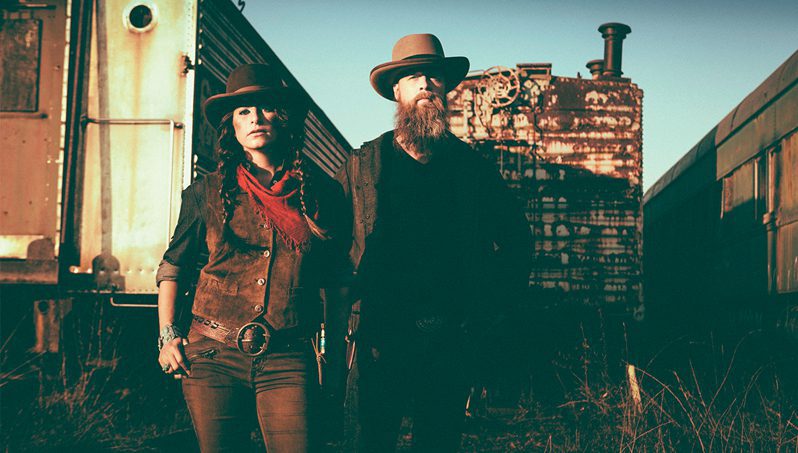
With a stunning new album and growing fanbase, The Grahams’ future looks golden. From George Jones and Tammy Wynette to Tim McGraw and Faith Hill, country music has produced plenty of couples who make beautiful music together. With The Grahams, there’s a new duo to add to the list – although Alyssa and Doug Graham are, admittedly, far closer to Gillian Welch and David Rawlings than the aforementioned mainstream country superstars. The young couple have been making a serious impact across North America, the UK and Ireland since they debuted in 2013 with the Riverman’s Daughter album, their mix of striking songs, gorgeous harmonies and subtle, imaginative arrangements marking them out. We caught up with the couple when they were in Portland, Oregon, and found that, for them, living on the road together does not diminish the pleasure they find in love and music. “Considering we seem to spend almost 24 hours a day, seven days a week together, we certainly could get on one another’s nerves,” says Alyssa. “But I’m happy to say that we don’t. We’re doing what we love – making music and travelling – and we feel very grateful to be able to do so.” No Ike and Tina Turner moments, then? “No! Definitely not!” Alyssa laughs. “We’ve known one another almost our entire lives. We first met and became friends when I was seven and Doug was nine. We started dating when we were teenagers and have been together ever since. And we formed our first band when we were at high school. So we’re really comfortable with each other, on and off stage. It’s a really nice way to live – making music and travelling with your best friend, who happens to be your partner in life.” School Holiday Alyssa and Doug’s journey towards the heart of American music has taken several interesting turns since they first began singing together at lunch break. The band they formed at school, Blindman’s Holiday, were a psychedelic outfit who went on to enjoy a degree of success on the jam-band festival circuit. “We grew up loving The Grateful Dead, Bob Dylan, Neil Young,” says Aylssa. “They kind of set us an example of what drugs to take!” She and Doug both laugh at the memory and Alyssa adds: “We’d write songs about bugs biting our ankles!” Doug says: “We were so much a jam band! I’d start a guitar solo in one tempo and, by the time I came to finish it, we were in an entirely different time signature!” Alyssa adds: “We toured that band for a long time and went down really well with audiences, but eventually, both Doug and I wanted to go deeper into music.” Doug nods and adds: “It was fun at the time, but both of us felt like we’d said enough musically and wanted to strip things back, simplify things, get away from the big solos and concentrate on the songs.” “We had this run-in with the major music industry in New York City,” explains Alyssa, “and didn’t feel comfortable with what they were offering. So it felt good to walk away. I went to college in Boston and studied music – previously, I was unable to read music and by studying there I not only learnt how to do so, but got seriously schooled in jazz.” Jazz Solo Finishing college, Alyssa and Doug – who had loyally followed her to Boston – returned to New York City, got married and began performing in such noted jazz clubs as The Bitter End and The Cotton Club. Alyssa’s beautiful voice won a recording contract with Sunnyside, a contemporary US jazz label. Her 2005 debut album What Love Is presented her singing original songs alongside covers of jazz standards, bossa-nova numbers and Neil Young tunes. 2008’s Echo album continued this momentum with Graham here being gifted the first opportunity to record Involved Again (a song Jack Reardon had written for Billie Holiday – who died before she could record it – and was so impressed by What Love Is that he gifted the song to Alyssa). Both albums were well reviewed and Graham’s record label obviously hoped to market her towards the huge audience buying Norah Jones CDs. This never quite took and 2011’s Lock, Stock & Soul – while produced by Craig Street (who had produced Norah Jones and Cassandra Wilson) – found Graham shift towards Laurel Canyon-style singer-songwriter pop and is the least convincing of her solo albums. Unsurprisingly, her jazz audience passed on this while the pop crowd stuck with Taylor Swift. Doug and Alyssa took stock and headed south. “Those albums reflect a moment in time for both of us,” says Alyssa. “Doug was with me throughout, always on stage playing guitar. We learnt a lot, but I was never entirely comfortable with being pushed out front. The idea had always been to be inclusive of both of us, but it wasn’t until we wrote the Riverman’s Daughter song that things began to take shape and sound really natural. That got us off to go and live along the Mississippi river for a year and things began to come into place then. The songwriting, our singing, the feel for a traditional American music.” Riverman’s Daughter was released in 2013, its songs and sound inspired by the couple leaving New York City and exploring the Great River Road. Alyssa and Ben write their songs with Bryan McCann – “he and Doug have been buddies since they were eight and played on the same soccer team”, says Alyssa – and here, they conjured up a mythic America from pre-modern times. In a way, The Grahams’ songs on Riverman’s Daughter recall The Band’s ability to write songs that sound like they have existed forever. The sound is also consciously an homage to older American music. “At the time, we were obsessed with The Carter Family, The Louvin Brothers, The Stanley Brothers,” says Alyssa. “We went for a very traditional, retro

Interview: The Grahams Read More »

cadillac three

Interview: The Cadillac Three – Southern Comforters

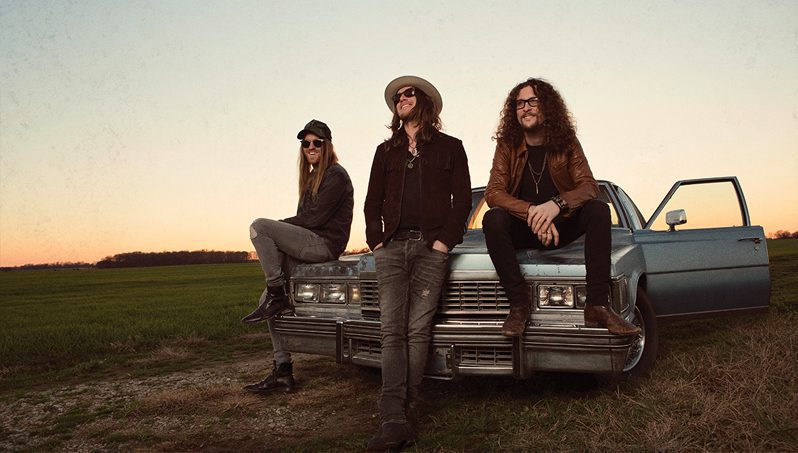
Cadillac Three frontman Jaren Johnston tells Paul Sexton about the moment he realised that the country and rock worlds were coming together. It was in February this year when The Cadillac Three’s repeated UK visits – eight in two years by that point – were rewarded with their biggest audience yet one sizzling night at the Electric Ballroom in Camden. Frontman Jaren Johnston saw two worlds collide. “I saw a Travis Tritt t-shirt and a Pantera t-shirt at the same show,” he laughs. “That’s when you know you’re doing something different.” Bassist, steel guitarist and dobro player Kelby Ray joins in with the memory, underlining how the band have created a scintillating subdivision of Southern rock with deep country roots. “You could see it in the ages of the crowds over there,” he beams. “We had kids from 20 to 65, it was all over the map. You get those old Skynyrd and ZZ Top fans, and then the younger fans.” As Ray points out, the band’s live UK audience had increased six-fold from their first visit in 2014, when they sowed the seeds of their following at London’s Barfly. In the summer, they rocked the Ramblin’ Man Fair, and in November, their stature will likely take another giant leap forward when they return for an eight-date tour of Britain and Ireland. They’ve become such adopted Brits that Johnston has even been considering getting a flat in London. “Chrissie Hynde’s one of my best friends,” he says without a whiff of name-dropping. “She lives there, and she always comes out and hangs. It’s just been such a cool thing to see that whole thing grow, kind of by accident. We weren’t forcing anything, we just literally did what bands do, you put a record out and kids reacted to it. “We were always infatuated with Tom Petty and bands that came over there and did what they do, and people appreciated it, and they kept going back. When we did the first trip and saw how cool it was, and how we sold the first show out in, like, 10 minutes, we were blown away. So we were like ‘alright, this is a commitment, two times a year if not more’. Monetarily speaking, it hasn’t been easy at the beginning, but it’s paying off now.” That upcoming schedule will continue with dates in Germany, Holland and Spain, in a European run that’s wrapped around a never-ending domestic tour. Every night, they’ll play the hell out of both their earlier anthems and the brilliant sophomore album Bury Me In My Boots. The Cadillac Three are doing something seriously right. After a brief but warm hello with the band backstage that night at the Electric Ballroom, we sat down for a face-to-face with Jaren and Kelby on Tennessee time, while they were completing the album at Nashville’s celebrated Blackbird Studio. As we spoke, drummer Neil Mason was hard at work downstairs adding a final percussion part to what’s become a landmark record for the band. Bury me in my boots Released in early August, Bury Me In My Boots shows the band’s distinguished and in-demand songwriting chops reaching a new plateau. A mature successor to the debut record released in the US, in the first of several incarnations, in 2012, it upped the ante by debuting comfortably inside the mainstream Top 40 on both sides of the Atlantic. TC3’s serrated sound references everyone from Kings of Leon to Lynyrd Skynyrd, with healthy ingredients of an upbringing that embraces country, rock and roots music of many stripes. But more than anything, Bury Me… is clearly the sound of a band with courage in their convictions. “It shows how we’ve grown over the last five years, since we recorded that first album in a week,” says Ray. Adds Johnston: “It’s a nice little salad of where we come from, as far as having recorded that first record so fast. We wrote the songs for that first record in four or five days, and we just put it out. That’s what bands do. We didn’t have anybody telling us we couldn’t do it. “So this is after three and a half years of touring extensively, and starting to live life on a bus, and writing songs in the back of the bus and kind of living that ‘Almost Famous’ life, where everybody’s always got a guitar, there’s always a beer, there’s always a girl, and you’re always going somewhere. I think this is a nice little mix of the last few years of living that life.” Not that Johnston, Ray and Mason have tried to fix anything that wasn’t broken. “As far as production goes, it’s still just the three of us playing, with somebody hitting the record button,” says Jaren of their inspiringly live studio technique. “Nothing’s changed, but every band wants to grow. “Graffiti and White Lightning were a step in the right direction, but there are some other cool songs, like [album closer] Runnin’ Red Lights. It shows a more…” he stops short of using the word mature, but goes on: “I’m not just singing about booze and fighting and trucks. I’m a little older. Things get a little more nostalgic and you start looking back on your life. I’m married now, I own my house and we’re living life, and it’s a crazy lifestyle. So I think a lot of those stories are in these songs.” That’s why he didn’t quite make it to the word “mature”. The band’s conversation, like their lyrics, is peppered with references to good-natured good-timin’. They proudly play what they deftly describe in one of the album’s many singalong moments as the Soundtrack To A Six Pack. But in the very next song, the aforementioned White Lightning, they can switch gear and sing sincerely about a girl who “stole my heart faster than a heat-seeking missile on a mission”. Abbey Road studios Graffiti, an advance rider for the album when it appeared as a single

Interview: The Cadillac Three – Southern Comforters Read More »

greg graffin

Interview: Greg Graffin – Go Ahead Punk

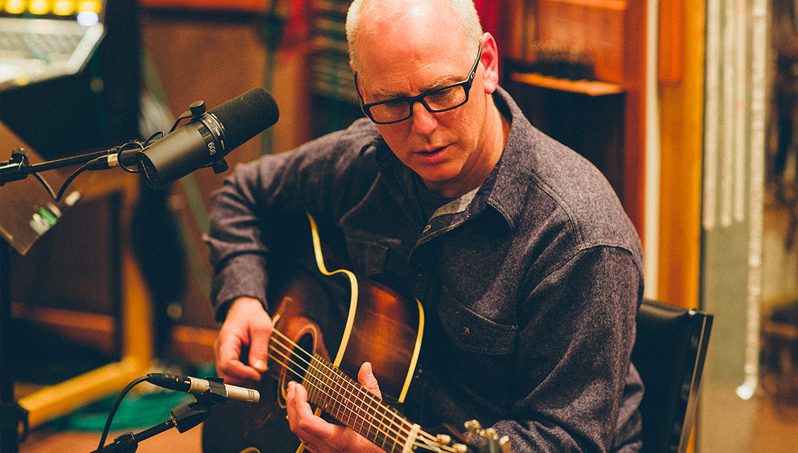
With his love of folk evident on his latest solo album, punk spokesman Greg Graffin reveals the links between the genres. It may not always be obvious, but punk rock and country music are closer cousins than first appearances would ever suggest. Forget the surface: the roughness, rips and snotty aggression on one side; the old-school, down-home familiarity on the other. Authenticity, passion, the basic premise that anyone can get involved and embrace their creativity, whatever their background; these are the foundations of both genres. This is what gives them both their spark. It’s why Johnny Cash, the Man In Black, the outlaw’s outlaw, is seen by so many in both camps as the ultimate rock star. It’s why Willie Nelson crosses boundary lines with the slightest flick of his trademark plaits. It’s why Dolly Parton, with her laser wit, social conscience and fearsome intelligence, is roundly considered one of America’s greatest living badasses. And while those people have been clasped to the studded bosom of many a moshpit warrior over the years, it goes both ways. Punk rock, after all, is now moving into middle age, the original angry young things of the late 70s turning into the respectable musical elders of the 21st century. It’s no wonder leading lights of the scene are looking further back to their roots and exploring music outside of their own career springboard. Take Greg Graffin, frontman of revered Californian punks Bad Religion since their inception in 1979. His new folk solo album, Millport, draws on the music he grew up with, the Grand Ol’ Opry songs his mother listened to on the radio when she was a child in Indiana: traditional Appalachian music infused with fiddle, banjo and guitar and a sense of deeply American tradition being handed down through the ages. It’s a beautiful thing. “If it’s a good country song it still can be whittled down to an acoustic guitar and you can sing it around the campfire,” he says. “And believe it or not, it’s been our criteria in punk as well. Most of our songs are written on guitar or piano and then you take them in the studio and you adapt them to the genre. So consequently you can find me singing punk songs on acoustic guitar as easily as I do with folk music. As an artist is it feels very natural to play both of them.” Bad Religion are the quintessential Californian punk band. Their lyrics take on themes of social responsibility and political discourse, but their harmonies are pure west-coast sunshine. But when we call Graffin, he’s holed up in his farm out east in upstate New York, looking out at a damp, dark, misty winter’s day. Millport is named after a nearby town, a real Anywheresville, USA, providing a strong home base for its rich metaphors for American life influenced by the likes of Doc Watson and Clarence Ashley. “Some people say ‘well, that’s not what Greg’s really known for’, but the truth is I’ve been playing this sort of music since I was a kid,” Graffin says. “I now have three albums that are solo projects of my own, and I don’t get to make as many of these albums as I’d like to. “People ask me how I learned to sing punk, and the truth is I didn’t, I learned how to sing this old-time music, this folk style, and if you blend that with rock, you’ve got something that just happened to be springing up in Southern California in the 70s when my family decided to move out there. My vocal delivery has always been very authentic, I don’t try to sound like anyone. Early reviews for Bad Religion all said, ‘sounds like folk music’. And I didn’t really like being accused of being a folk singer, but the truth is that’s how I learned how to sing. I didn’t listen to Johnny Rotten.” Integral Identity Having grown up alongside peers such as Black Flag, Circle Jerks and The Adolescents, Bad Religion have gone on to influence everyone from Pearl Jam’s Eddie Vedder to Iron & Wine’s Sam Beam. Again, it all comes down to credibility and honesty. “Everyone’s voice has a uniqueness,” says Graffin. “And so many singers try to disguise that uniqueness so they can sound like someone else. That turns me off right away. If I were ever on one of those shows that Simon Cowell hosts, I would be dismissed in the first round. And that’s true of every great singer that I know.” The songs themselves combine a nostalgic mournfulness with a tongue-in-cheek humour. While opener Backroads Of My Mind aches with a longing for home and roots, it’s also a self-mocking look at the physical and mental changes in an ageing singer. A take on Nashville songwriter Norman Blake’s Lincoln’s Funeral Train, meanwhile, looks to history to try and make sense of the seemingly unprecedented problems facing America. “Lincoln’s one of our great heroes, but people forget his real impact internationally came after he was gone,” says Graffin. “His presidency was so tumultuous. If you think our country’s divided now, you should think of what it was when Lincoln took office. “He had to sneak into Washington DC on a nighttime train and no one was told he was arriving, because there were lynch mobs waiting for him in Baltimore. He stole away to the White House from Springfield, Illinois avoiding cities where there were hostile people waiting to lynch him, literally. The country was never more divided and he presided over a terrible four years. “This song commemorates his funeral train that went from Washington back to Springfield, and to me the image of a train is one of the great American images. It’s what connected this country and brought us into the modern era. I just think it’s a great reminder. During these current political struggles it’s good to remember how bad things got, remember how essentially we’re all connected. I

Interview: Greg Graffin – Go Ahead Punk Read More »

Scroll to Top