
July 2025

The Monday Moment

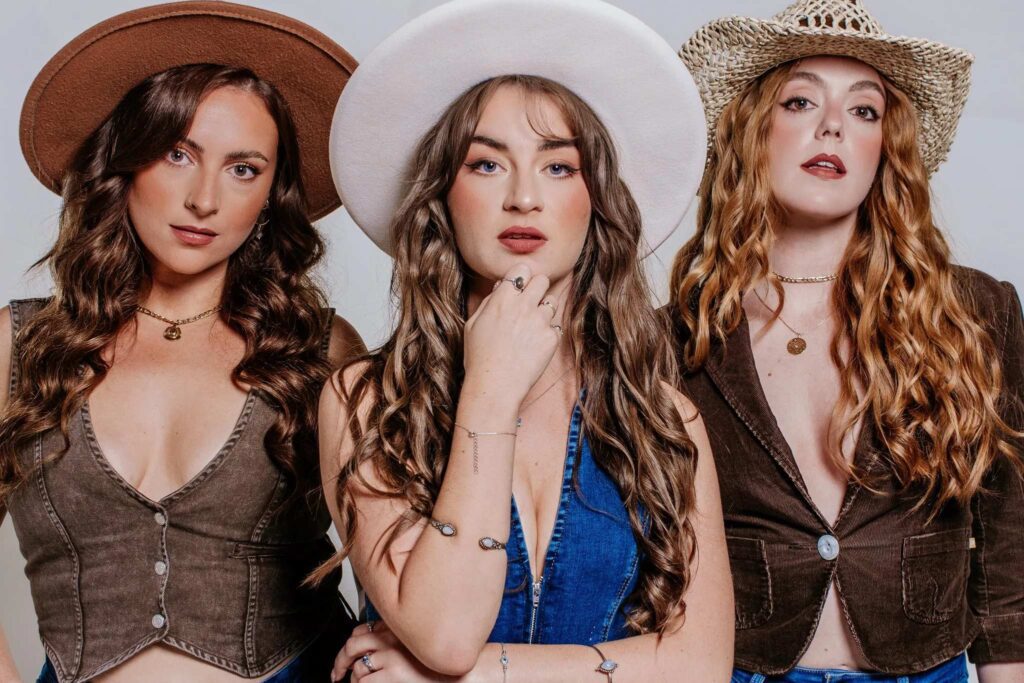
British country trio Remember Monday made history at Eurovision 2025, proving that heartfelt harmonies and genre-defying grit can resonate far beyond Nashville’s borders. When Remember Monday were announced as the United Kingdom’s official entry for Eurovision 2025, a ripple of disbelief ran through the country music community — the good kind. For fans of the genre, long accustomed to living in the cultural margins of UK mainstream music, this wasn’t just a win for three talented women. It was a milestone. It was proof that British country music, long simmering beneath the surface, had finally taken the spotlight.  Eurovision, known for its glitter, drama and unapologetic pop excess, has never been particularly synonymous with pedal steel guitars or three-part harmony. Yet Remember Monday — a female country-pop trio armed with powerhouse vocals and emotionally resonant lyrics — managed to not only cut through the noise but to top the national vote, securing their place on the continent’s most flamboyant stage. For many, it wasn’t just unexpected. It was historic.  In the same way that Sam Ryder’s chart-storming success in 2022 reminded the UK how to take Eurovision seriously, Remember Monday’s 2025 entry reminded it how to do so sincerely. Their selection didn’t feel like a gimmick. It felt like the natural outcome of a movement — the rise of country music in the UK, the mainstreaming of a sound once seen as niche, and the sheer magnetism of three artists who refused to compromise who they were.  From open mics to arena stages, from The Voice UK to Malmö, Sweden — the journey of Remember Monday is not just a story about Eurovision. It’s about a band that brought British country music home, then took it to the world.  Meet Remember Monday  Before Eurovision, before national headlines, and long before their harmonies echoed across Europe, Remember Monday were three friends trying to carve out a space for country music in a land more familiar with Britpop and grime. Formed in 2018, the trio — Holly-Ann Hull, Charlotte Steele, and Lauren Byrne — met through a shared background in musical theatre and soon discovered a mutual love for storytelling, melody, and the Nashville sound.  To read the full article, see our last issue here. Never miss a story… Follow us on: Instagram: @Maverick.mag Twitter: @Maverick_mag Facebook: Maverick Magazine Media Contact Editor, Maverick Magazine Tel: +44 (0) 1622 823 920 Email: editor@maverick-country.com
The Monday Moment Read More »

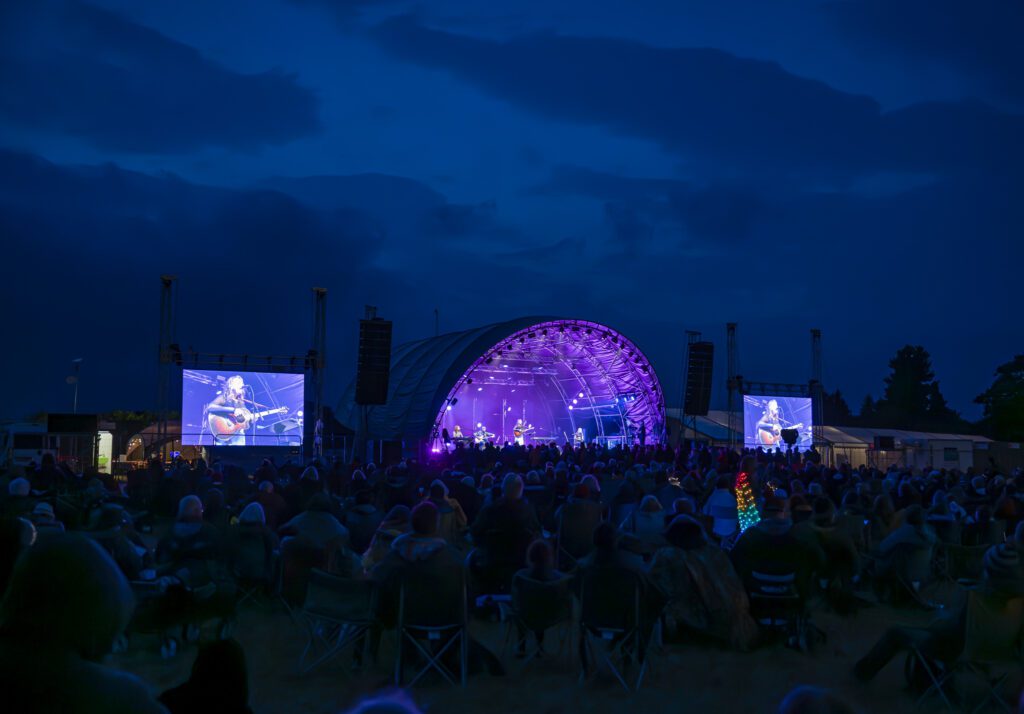
Picture of Shrewsbury Folk Festival - Photo by Steve Lacey - Maverick

Shrewsbury Folk Festival: Where the Fiddle Finds the Fire

Set in the heart of Shropshire, Shrewsbury Folk Festival, taking place 22-25 August, blends tradition and twang in a four-day celebration of music, movement, and soulful storytelling. There’s something about the sound of a fiddle floating over open fields that makes your heart stand still. Not for long, mind you. Because before you know it, your boots are tapping, your hips are swinging, and some stranger’s pulled you into a reel without so much as a howdy. That’s the Shrewsbury Folk Festival—where folk meets fire, and a small English town becomes a stomping ground for sounds older than the hills but fresher than this morning’s coffee.  Nestled on the edge of Shropshire’s rolling countryside, the festival doesn’t shout. It doesn’t need to. Instead, it hums—steadily, soulfully—like a tune you’ve heard before but can’t quite place. Maybe it’s because this place knows its roots. You won’t find glitz or gimmick here. No neon stages or laser shows. What you will find is authenticity carved into every tent peg, every song lyric, every pint pulled under canvas.  A Festival Built on Spirit, Not Spotlight  Shrewsbury isn’t trying to be something it’s not. That’s its quiet magic. It’s not trying to catch trends—it’s just catching songs. The kind passed down over kitchen tables or hollered across Appalachian hillsides. Here, the festival pulses with the energy of storytellers, wanderers, heritage-carriers and the curious alike. It’s a celebration that wears its legacy lightly, but proudly.  The grounds feel less like an event and more like a gathering—like the campfire your grandparents talked about, where music wasn’t a performance but a pulse. Children run barefoot between craft stalls, teenagers discover old songs that suddenly feel new, and long-time festivalgoers nod knowingly over tankards and tunes. You’re as likely to see a mandolin circle break out next to the food trucks as you are to find a crowd two-stepping to some rhythm that tastes of Nashville and Norfolk all at once.  The site itself is a tidy sprawl: big enough to get lost in the sound, small enough to still feel like a secret. It’s the kind of festival that welcomes everyone, from the solo backpacker with a banjo to families three generations deep.  Where Folk Gets Grit, and Country Gets Roots  Musically, Shrewsbury Folk Festival is a map of tangled roots. Sure, the word “folk” might conjure finger-in-the-ear ballads and sea shanties—and you’ll find those here, sung with soul and honesty. But what surprises many is how far that word stretches. Shrewsbury doesn’t gatekeep genre; it gathers. It takes folk’s bones and dresses them in blues, in roots-rock, in gospel harmony and bluegrass twang.  To read the full article, see our last issue here. Never miss a story… Follow us on: Instagram: @Maverick.mag Twitter: @Maverick_mag Facebook: Maverick Magazine Media Contact Editor, Maverick Magazine Tel: +44 (0) 1622 823 920 Email: editor@maverick-country.com
Shrewsbury Folk Festival: Where the Fiddle Finds the Fire Read More »

Encore: Ian Flanigan

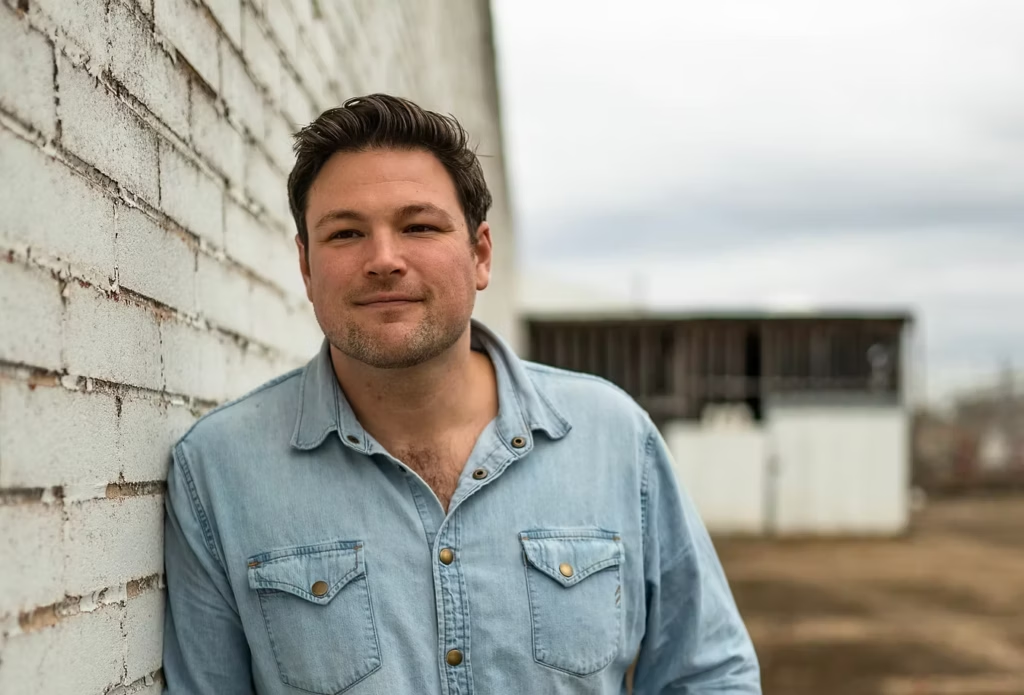
Ian Flanigan was the runner-up on the 19th season of The Voice USA. Flanigan then released album ‘Strong’ and there’s a song on there that features Blake Shelton, and more recently, new single “Second Chances”. First song that you learned all the words to?  My memory and brain is so fried these days, I can’t remember the first one. I remember that with my guitar teacher one of the first songs I learned when I was like 12, was Green Day off the record Dookie. I remember pretty much every song on that. I know. I learned, I think almost every song on that record.  A song that makes you think of touring?  For me, it would be Blaze Foley, probably ‘Clay Pigeons’. Just because when I personally think of touring I’m always thinking of like West Texas. I got my start out there and those long highways and Blaze Foley on the radio, for me that’s what it is.  A song that reminds you of growing up?  This is where my brain has it’s limits. I gotta say probably Hotel California or D’yer Mak’er by Led Zeppelin. I think I played that song more than anybody.  A live show that changed your life?  I was fortunate enough to be on the TV show, The Voice. But before that, the show that changed my life was, I did a guest appearance for Bob Schneider at Austin City Limits. And that was my first time as an independent artist on a really big stage like that.  A song you can no longer listen to?  Probably some random song from high school. I think I can listen to any song at any time though.  An album that made you want to be a musician?   I grew up with two records that my father played a lot. I had the box set of Creedance Clearwater Revival as a kid and John Fogarty and I’d say I had an Eric Clapton album unplugged when I was a kid that really guided me to be an Acoustic Guitarist.   How did The Voice shape you as a musician?  It was such a humbling experience. It was a real learning experience for me, because I’d been touring for so long but it gives you an insight into the working on a whole different level. Normal touring, where you’re just doing live shows, it’s a whole different world than like TV or production. So I think it changed me as an artist by getting a better perspective of the back end of it, and all that’s going on.  To read the full article, see our last issue here. Never miss a story… Follow us on: Instagram: @Maverick.mag Twitter: @Maverick_mag Facebook: Maverick Magazine Media Contact Editor, Maverick Magazine Tel: +44 (0) 1622 823 920 Email: editor@maverick-country.com
Encore: Ian Flanigan Read More »

Pug Johnson: The Texas Troubadour

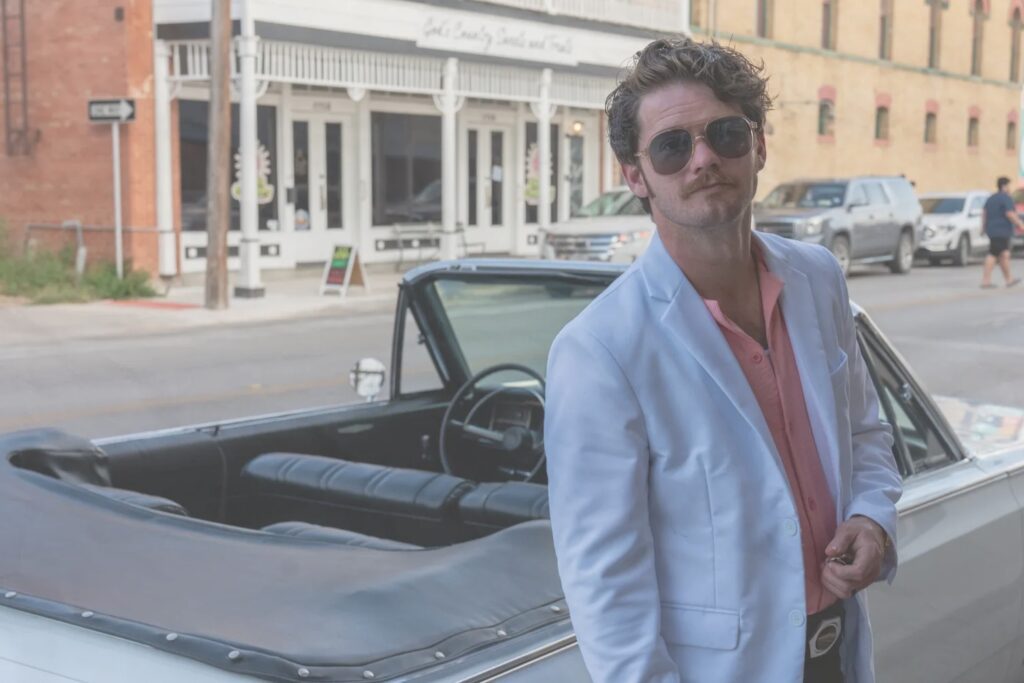
Beaumont-born singer-songwriter Pug Johnson channels the rich musical tapestry of Southeast Texas into a distinctive blend of country, Cajun, and Tex-Mex. On the outskirts of Beaumont, Texas, where the humid air carries the echoes of blues, zydeco, and honky-tonk, Pug Johnson was born into a world steeped in musical tradition.   Growing up near the Louisiana border, he was immersed in a diverse musical landscape that included Cajun rhythms, swamp pop, Tex-Mex, and honky-tonk. These genres, prevalent in the region’s cultural fabric, naturally seeped into Johnson’s consciousness.   Johnson credits this cross-genre exposure with forming his musical instincts, describing the blend as not only a background sound but a cultural inheritance. Southeast Texas, long overshadowed by Nashville or Austin in mainstream country narratives, plays a starring role in his songwriting. Whether it’s the rhythm of a Tejano groove or the pathos of a honky-tonk ballad, Johnson uses regional flavour to anchor his stories in place.  His musical education also extended into his adult life, where he spent years playing in bars and dancehalls across Texas. This period gave him a close-up view of working-class life, further sharpening his narrative instincts. It was during this time that Johnson began experimenting with bilingual lyrics and borderland themes, a hallmark that would distinguish his later work.  Hard luck, stubborn pride  Much of his writing is driven by character sketches – figures drawn from barstools, street corners, and kitchen tables. These personas, shaped by hard luck and stubborn pride, reflect the reality of the Gulf Coast in a way that avoids nostalgia while still being deeply rooted in memory. Johnson doesn’t mythologise; he observes.  This commitment to capturing lived experience is evident in how Johnson navigates his own cultural positioning. While steeped in Americana traditions, he refuses to align too neatly with genre expectations. He has expressed scepticism about genre labels, preferring to focus on the stories, arrangements, and emotions that drive a song rather than its marketing category.  Johnson’s initial foray into the music industry culminated in the release of his debut album, Throwed Off and Glad, in 2022. Credited to Pug Johnson & The Hounds, the album showcased his penchant for blending traditional country sounds with narratives reflecting personal trials and tribulations. The record was noted for its unfiltered portrayal of life’s complexities, delivered with a mix of high spirits and sharp humour.  Reviewers praised the album for its live feel, a rawness that underscored the unvarnished charm of Johnson’s delivery. Thematically, it celebrated the outsider, the misunderstood, and the unapologetically flawed – a recurring theme in his work. With songs chronicling barroom brawls, messy relationships, and late-night soul-searching, Johnson carved out a niche that felt rooted in tradition yet unafraid of irreverence.  He also demonstrated a keen ear for arrangement, bringing in fiddle, accordion, and pedal steel in ways that nodded to classic honky-tonk but felt resolutely modern. The album’s blend of danceable rhythms and introspective lyrics offered an early glimpse into Johnson’s skill as both a crowd-pleaser and a storyteller.  To read the full article, see our last issue here. Never miss a story… Follow us on: Instagram: @Maverick.mag Twitter: @Maverick_mag Facebook: Maverick Magazine Media Contact Editor, Maverick Magazine Tel: +44 (0) 1622 823 920 Email: editor@maverick-country.com  
Pug Johnson: The Texas Troubadour Read More »

Picture of Justine Blazer "4th July" cover art - Maverick

Justine Blazer Celebrates New Country Pop Single “4th of July”

Two-time Billboard award-winning producer, songwriter, and artist Justine Blazer is making fireworks of her own this Independence Day with the release of a brand-new collaboration titled “4th of July.” Out now across all streaming platforms, the song features rising country singer and actor Rob Mayes (best known for his starring role in the hit Netflix film The Neon Highway alongside Beau Bridges, Lee Brice, and Pam Tillis) and acclaimed Nashville songwriter Steve O’Brien, whose catalogue includes country staples like “Rock My World” by Brooks & Dunn. Written by Justine Blazer, Rob Mayes, and Steve O’Brien and produced, engineered, and mixed by Blazer at her own Ten7Teen Studios, “4th of July” is a mid-tempo country-pop gem that captures the electricity of a fleeting but unforgettable summer romance. With playful lyrics like “Was it the jar we were passing or the Delta 8 gummies we ate / Or that Hall and Oates song that somebody just played,” the track blends humor, nostalgia, freedom, and passion, with Rob Mayes’ magnetic vocals at the forefront. “This is kind of a crazy story, actually,” Justine shares. “The stars aligned, magic happened, and the timing was perfect. This surprise collaboration came together literally last week in just a two-day window, from concept to completion. We all got in a room not knowing what we were going to write or say. After talking about life and emotions, the ideas started flowing. We wrote the song, made a work tape, recorded it, produced it, and completed the mix and master – all within 48 hours. That’s not typical! But, we knew we had something special and didn’t want to wait a whole year to release it. We wanted it out this 4th of July.” As if releasing a summer anthem wasn’t enough, Blazer also continues to rack up industry recognition, earning an incredible 17 nominations at the 2025 Josie Music Awards, taking place Nov 2, 2025 at the Grand Ole Opry House in Nashville, TN, the largest independent music awards show in the world. The nods span multiple categories, including Music Producer of the Year, Songwriter of the Year, and Vocal Event of the Year for her soulful collaboration with Lauren Anderson on “Ain’t No Cure Like The Blues.” Beyond the JMAs, Justine’s talents continue to be recognised internationally. She recently co-wrote “Give God the Glory” by Jodie Leslie, which won a LIT Award for Best Canadian Contemporary Christian/Gospel Music and a Canadian Selah Music Award for Best Canadian Alternate Song of the Year. That same track is currently nominated at the CCA Canadian Gospel Awards for Best Rock Song. Blazer also received 5 Songwriter Achievement Award nominations for works like “We All Bleed Crimson Red,” “Paint Me In Your Colors,” “Wish I Could Love You,” “Shut Up,” and “Rock This Holiday,” among others. Additionally, Justine is a finalist in the 2025 InterContinental Music Awards for Best Blues Song (“Ain’t No Cure Like The Blues” with Lauren Anderson) and Best Country Song (“America – Rattlesnake Love” written by Tom Bender & Mike Bender). She also took home 2nd place for Producer of the Year at the 2025 Elite Music Awards. With a fierce work ethic, powerhouse vocals, and an uncanny ability to connect through story and sound, Justine Blazer is lighting up the summer (and the industry!) with equal parts heart and heat. To read more exclusive articles and latest news, see our last issue here. Never miss a story… Follow us on: Instagram: @Maverick.mag Twitter: @Maverick_mag Facebook: Maverick Magazine Media Contact Editor, Maverick Magazine Tel: +44 (0) 1622 823 920 Email: editor@maverick-country.com
Justine Blazer Celebrates New Country Pop Single “4th of July” Read More »

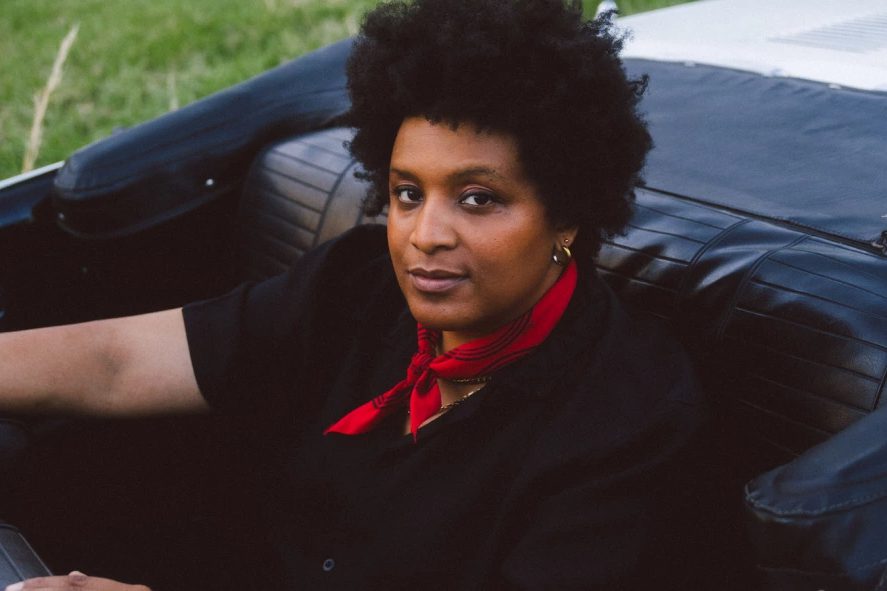
Picture of Denitia - Photo by Chase Denton - Maverick

Denitia: A Journey Through Sound and Self

From her roots in Texas to the bustling streets of New York City, and back to the heart of country music in Nashville, Denitia has traversed geographies and genres. Some artists set out to break the mould. Others grow around it, finding cracks where light leaks through.   With a path stretching from the backroads of Texas to the shoreline of Queens to the quiet expanse of Nashville, Denitia has never seemed content to pick just one direction. Her music doesn’t chase genre so much as haunt it – drifting between R&B, indie pop, Americana and country, without asking permission or offering explanation.  Born in Houston, raised in small-town Texas, Denitia Odigie grew up absorbing sounds as varied as Al Green and George Strait. Her household was a blend of musical dialects – Motown, gospel, country radio – filtered through the prism of a young girl who felt both part of and apart from her surroundings. She has spoken about her early years with both affection and awareness: a place where roots were deep, but the view was narrow.  Escapism through music  In that early tension – between belonging and longing – something essential formed. By the time she reached her teens, Denitia was writing songs and playing guitar, using music not just to reflect her world but to escape it. She later moved to Nashville to study at Vanderbilt University, but it wasn’t until she relocated to New York City that her first real transformation began.  Brooklyn introduced her to a broader creative community and gave her permission, she’s said, to experiment without explanation. She found early acclaim as one half of the electronic-soul duo denitia and sene, a project that showcased her talent for atmospheric production and velvet-smooth vocals. But even then, her voice felt like it was tugging at something more grounded.  The pull became too strong to ignore. After years of city noise and genre-blending, Denitia left Brooklyn for the beachside stillness of the Rockaways. There, she recorded Ceilings – an EP that floats between electro-pop and dreamlike confessionals. It marked the beginning of her solo redefinition. She’s described this period as a turning inward: quieter music, deeper questions.  The sounds of childhood  In this quieter phase, Denitia’s songwriting process also began to shift. She’s spoken about how physical spaces – empty beaches, quiet streets, long drives – fuel her creativity, allowing melodies to emerge slowly, almost subliminally. Her lyrics often begin as fragmented phrases or emotional impressions scribbled in notebooks or voice memos. Writing, for her, is less about chasing ideas and more about listening for them. She tends to build songs layer by layer, pairing guitar lines with ambient textures, then folding in words that hold both weight and breath. It’s a process defined by patience and instinct, grounded in solitude but tuned toward communion.  To read the full article, see our last issue here. Never miss a story… Follow us on: Instagram: @Maverick.mag Twitter: @Maverick_mag Facebook: Maverick Magazine Media Contact Editor, Maverick Magazine Tel: +44 (0) 1622 823 920 Email: editor@maverick-country.com     

Denitia: A Journey Through Sound and Self Read More »

Picture of Dasha - Photo by Imago - Maverick

Dasha: From Coastal Roots to Country’s Vanguard

With roots in sunlit California and eyes on country’s future, Dasha weaves melodic daring with emotional depth into a sound that’s both personal and borderless. A balance of edge and ache, of shimmer and spine, her music carries the imprint of both ocean air and open highways, blending the candour of country with the restless pulse of pop. In a landscape often defined by lanes and labels, Dasha is quietly reshaping the map.  Born Anna Dasha Novotny in the beach town of San Luis Obispo, California, Dasha grew up where the coast meets the quiet, learning early that stories don’t need to be shouted to be heard. From early on in her life, music was never just a pastime – it was a language, a lifeline, and eventually, a reckoning.   Today, in the shimmering crossroads where pop polish meets country grit, she’s forging a path that’s both forward-looking and steeped in the emotional truth of tradition.  The rhythm of applause  By five, Dasha was already on stage, acting in musicals and discovering the rhythm of applause. By eight, she was playing guitar and piano; by 10, she was booking gigs at local wineries and coffee shops with the help of her father, who acted as her first manager. These were formative years – small-town stages, dusty roads, the echo of dreams whispered into California wind.  Dasha has said that growing up performing in front of adults, often in spaces where no one her age was listening, forced her to read a room quickly. She learned how to gauge attention, when to dial up vulnerability, and when to simply let a song carry the moment. This early calibration of emotion and delivery would later become one of her trademarks. Even now, critics point to her uncanny ability to command stillness – inviting rather than demanding that her audience lean in.  As for influences, her childhood soundscape was a mosaic. The storytelling of Johnny Cash, the sparkle of Shania Twain, the introspective lyricism of Kacey Musgraves – all threaded into her own voice. Yet pop’s modernity pulled at her too, with Taylor Swift’s genre-crossing defiance serving as both a blueprint and a beacon. In those early hybrid influences, the foundation for her stylistic duality was laid.  A leap into the unknown  After high school, she moved to Nashville and enrolled at Belmont University – a traditional rite of passage for many aspiring country artists. But tradition, Dasha soon realised, was just one thread of the tapestry she wanted to weave.   When the pandemic struck in 2020, the sudden stillness forced a decision. She dropped out and moved west, back to Los Angeles. It was there she released her debut album Dirty Blonde in January 2023, a work that leaned into pop and R&B aesthetics while keeping one boot heel firmly planted in the roots of country storytelling.  If Dirty Blonde was a palette test, a flexing of genre and identity, it also clarified something essential: Dasha wasn’t merely looking for a sound – she was searching for resonance. In interviews, she’s said that while LA nurtured her sonic curiosity, it also reminded her what she loved most about country: its bones-deep storytelling, its unflinching sincerity.  To read the full article, see our last issue here. Never miss a story… Follow us on: Instagram: @Maverick.mag Twitter: @Maverick_mag Facebook: Maverick Magazine Media Contact Editor, Maverick Magazine Tel: +44 (0) 1622 823 920 Email: editor@maverick-country.com

Dasha: From Coastal Roots to Country’s Vanguard Read More »

Picture of Caylee Hammock - Photo courtesy Caylee Hammock - Maverick

Caylee Hammack: Forged in Fire, Blooming in Song

In a music industry often dominated by fleeting trends, Caylee Hammack stands out as a beacon of authenticity and resilience. From her humble beginnings in Ellaville, Georgia, to the release of her sophomore album, Bed of Roses, Caylee Hammack’s journey is a testament to the power of perseverance and self-discovery.  Born on March 17, 1994, in the small town of Ellaville, Georgia, Hammack’s early life was steeped in a rich tapestry of musical influences. Her brother introduced her to Southern rock, her sister to pop icons like Britney Spears, but it was Hammack’s own discovery of classic country legends such as Dolly Parton and Johnny Cash that ignited her passion for storytelling through music. By the age of 13, she was performing in local venues, honing her craft and dreaming of a future in Nashville.  At 16, a health scare – a benign tumor initially misdiagnosed as cancer – became a pivotal moment in her life. The experience deepened her commitment to music, leading her to write her first song, “Addictive,” about the painkillers she was prescribed during recovery.  The Nashville leap  Despite earning a full scholarship to Belmont University, Hammack chose to stay in Ellaville, influenced by a romantic relationship. When that relationship ended, she packed her belongings into trash bags, saved up $1,000, and drove to Nashville with her dog and a copy of Kacey Musgraves’ Same Trailer Different Park.  In Nashville, Hammack faced the harsh realities of the music industry. She slept in her car, used a fake ID to perform in bars, and eventually secured a weekly gig at Honky Tonk Central on Broadway. Her persistence paid off when she was introduced to Universal Music Publishing Group, leading to a staff writing position.  Hammack has since talked about how those early Nashville years shaped her voice and values. The grit it took to survive – sleeping in her car, playing four-hour cover sets, and fighting for a place in writing rooms – imbued her songs with a lived-in realism. She credits this period with sharpening her musical instincts, but also teaching her how to navigate an industry that often undervalues originality and vulnerability.  A deeply personal debut  Hammack’s debut album, If It Wasn’t for You, released in August 2020, is a deeply personal collection of songs that chronicle her life’s trials and triumphs. The album features collaborations with Reba McEntire, Ashley McBryde, and Tenille Townes.  The lead single, “Family Tree,” is an autobiographical track that showcases Hammack’s storytelling prowess. Another standout, “Small Town Hypocrite,” co-written with Jared Scott, delves into the heartbreak of a failed relationship that once kept her from pursuing her dreams. The song resonated with audiences and critics alike, with Chris Stapleton later joining her for a reimagined version.  Critics noted how Hammack’s debut felt unusually mature for a new artist. She’s described the record as a kind of emotional archive – tracking moments of pain, hope, defiance, and release. Drawing on her lived experience, she brought to each track a raw vocal delivery and lyrical directness that set her apart from more polished debuts. For Hammack, it was an attempt to tell the truth as she knew it, however complicated or unrefined that truth might be.  To read the full article, see our last issue here. Never miss a story… Follow us on: Instagram: @Maverick.mag Twitter: @Maverick_mag Facebook: Maverick Magazine Media Contact Editor, Maverick Magazine Tel: +44 (0) 1622 823 920 Email: editor@maverick-country.com
Caylee Hammack: Forged in Fire, Blooming in Song Read More »

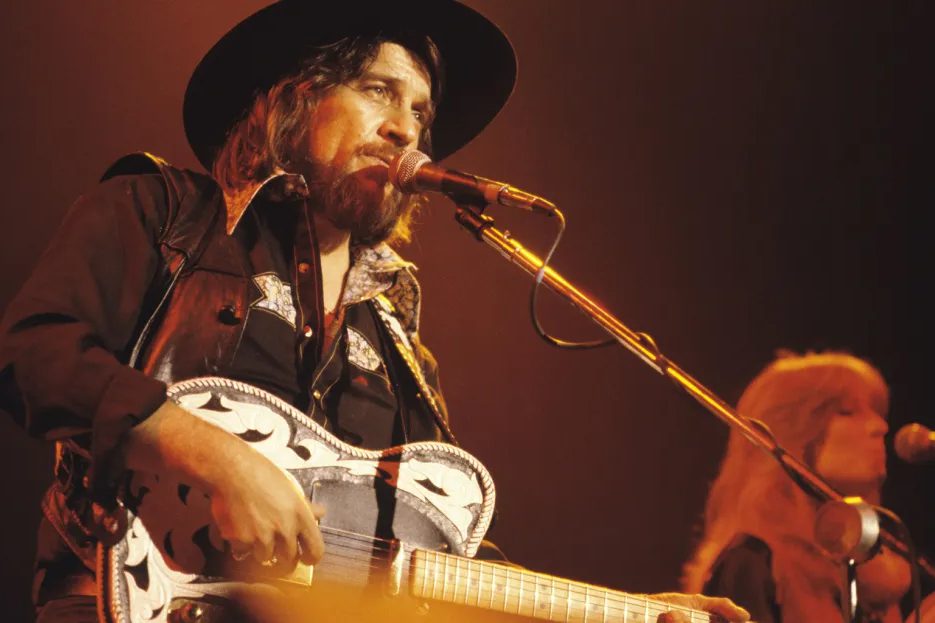
Picture of Wayne Jennings - Maverick

Waylon Jennings – A Voice That Changed Country

Waylon Jennings wasn’t just an outlaw — he was a revolution. This is the story of a man who changed country music by refusing to follow the rules. Waylon Jennings didn’t just say these words — he lived them: “Don’t ever try and be like anybody else, and don’t be afraid to take risks.” In a country music era defined by polished rhinestones and industry conformity, Jennings was a gravel-voiced outlaw who burned his own trail across the genre’s neatly trimmed pasture. With a Fender Telecaster slung low and a stare that said don’t even try, he didn’t just rewrite the rules — he refused to acknowledge them in the first place.  Waylon’s rise wasn’t conventional, and that’s exactly why it mattered. At a time when Nashville’s sound had become synonymous with commercial polish and predictable sentimentality, he kicked open the saloon doors and let in the dust, the grit, and the truth. His music wasn’t built for radio formulas — it was carved from the hard edges of real life. And in doing so, he gave a voice to those who never quite fit the mould.  In the years since his passing in 2002, Waylon Jennings has only grown larger in the legend of country music. Not because he chased legacy, but because he ignored it. He made music on his own terms — fierce, flawed, and ferociously honest. Today, in a landscape where authenticity is currency and the outlaw spirit has gone from rebellion to rallying cry, Jennings’ influence remains stamped into every chord that leans left of centre.  This is the story of a renegade poet from West Texas. A man who survived tragedy, challenged tradition, and wrote country music with a clenched fist and a wild heart.  West Texas Roots and Rock ’n’ Roll Dreams  Waylon Arnold Jennings was born on June 15, 1937, in the dusty town of Littlefield, Texas — a place where the air smelled like cotton and the radio dial spun stories of heartbreak and salvation. Like so many sons of the South, Jennings was raised on the sounds of Hank Williams and the blues that crept up from the Mississippi Delta. But even from a young age, it was clear that Jennings wasn’t interested in simply absorbing those influences. He wanted to bend them, push them, make them his own.  By the time he was twelve, Jennings was already hosting his own radio show on KVOW in Littlefield. His voice — still unpolished, still learning — crackled with confidence. His teenage years were spent not in the bleachers but behind the microphone, spinning country records and slipping in the occasional live performance. Music wasn’t just a pastime; it was a calling.  The real turning point came when Jennings crossed paths with a fellow Texan who was already blazing trails of his own: Buddy Holly. Jennings joined Holly’s band as a bass player in the late 1950s, stepping into a new world of rock ’n’ roll energy and fast-moving fame. Holly, always the innovator, saw something in Waylon — a kindred spirit, a rebel in waiting. It was Holly who gave Jennings his first taste of professional touring, studio sessions, and the chaos of life on the road.  To read the full article, see our last issue here. Never miss a story… Follow us on: Instagram: @Maverick.mag Twitter: @Maverick_mag Facebook: Maverick Magazine Media Contact Editor, Maverick Magazine Tel: +44 (0) 1622 823 920 Email: editor@maverick-country.com . 
Waylon Jennings – A Voice That Changed Country Read More »

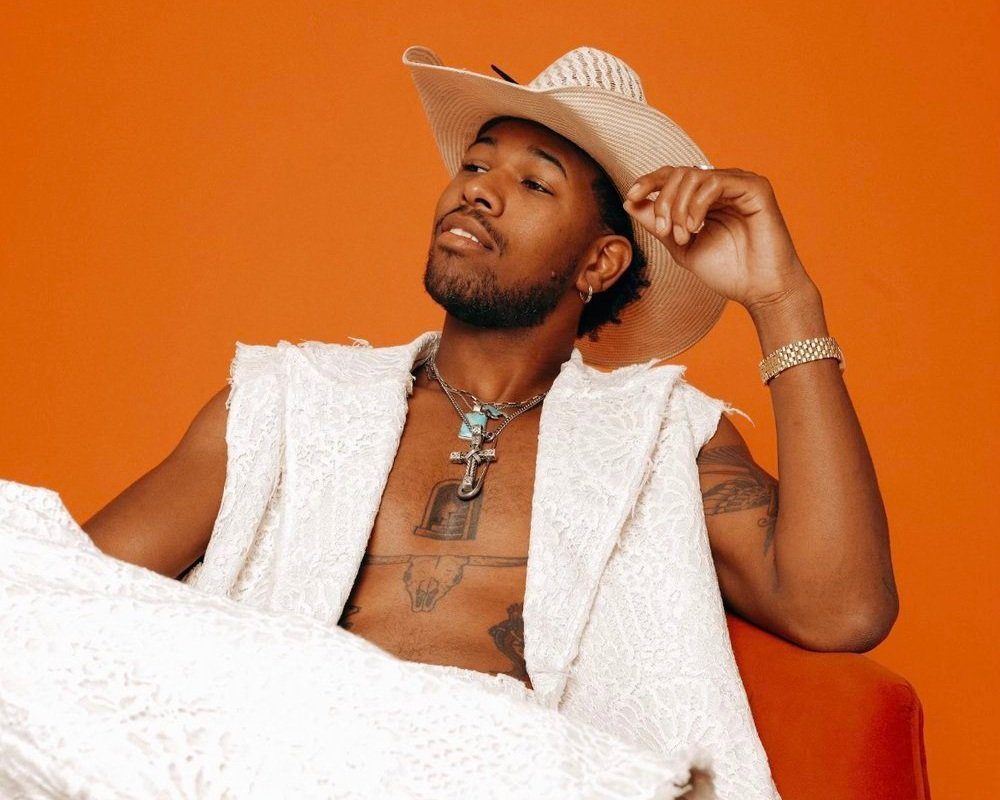
Picture of Angel White - Maverick

Angel White: Riding the Ghost Trails of the American West

From Deep Ellum’s grit to the Texas plains, Angel White’s debut rewrites the cowboy story with quiet force, carving space for overlooked voices in country. It was in north Texas, where the ranchland rolls for miles under an open sky, that Angel White found his voice.   Raised in the rural outskirts of Cleburne, this fifth-generation horseman’s musical sensibility was shaped by old soul records, gospel echoes, and the lived reality of those too often left out of the country music canon. His path through the industry has been quiet but deliberate – rooted in tradition, but never confined by it.  Before the headlines, White was a busker in Deep Ellum. The nights were long, the pockets often empty, but the education was priceless. Playing to indifferent crowds forced him to sharpen his voice – and his resolve. It also gave him a front-row seat to the beauty of imperfection – a lesson he still carries into the studio and onto the stage. That grit still underpins his live shows today, a reminder that even the most layered studio albums begin with unfiltered connection.  A powerful musical tradition  White’s connection to music was forged early. He’s described how his childhood home was filled with sound – everything from gospel records to ‘90s soul. His family’s deep roots in Texas ranching culture ran alongside a quieter but equally powerful musical tradition. Sundays often meant time in church, where White first began to understand the emotional resonance of live performance. While he never formally studied music, he’s said those early environments taught him everything he needed to know about vocal control and presence.  In March this year, White released Ghost of the West, a debut album that felt like an act of reclamation. Recorded over 12 days in Austin with producer Dwight Baker, it draws on histories that country music has too often overlooked – Black, Native, and Mexican cowboys whose legacies still echo across the plains.   For White, the cowboy is more a costume than an inheritance. His identity as a Black cowboy is central not only to his image but to the very fabric of Ghost of the West. He’s spoken about how people are often surprised to see a cowboy of colour, and how he feels that figures like him – along with Spanish and Native cowboys – still move through the genre like ghosts, rarely acknowledged despite their real and lasting presence.  Personal and political   White’s understanding of cowboy culture is both personal and political. He challenges the mainstream image of the cowboy as exclusively white and male, drawing on his own lineage and broader historical truths. There’s a mythology, he’s suggested, that country music was built on, but many voices were left out. For him, Ghost of the West is a form of cultural reckoning, one that sheds light on overlooked legacies and reclaims space through story.  In many ways, the album serves as a tribute to those cultural ghosts. It doesn’t just reclaim narratives – it complicates them, showing that country music’s foundations are more diverse and intertwined than the mainstream has often acknowledged. Tracks like “Down by the River” and “Wild Painted Horses” unfold more like ghost stories told around a dying fire – layered, aching, and curiously comforting.  To read the full article, see our last issue here. Never miss a story… Follow us on: Instagram: @Maverick.mag Twitter: @Maverick_mag Facebook: Maverick Magazine Media Contact Editor, Maverick Magazine Tel: +44 (0) 1622 823 920 Email: editor@maverick-country.com . 

Angel White: Riding the Ghost Trails of the American West Read More »

Scroll to Top