29 July 2025

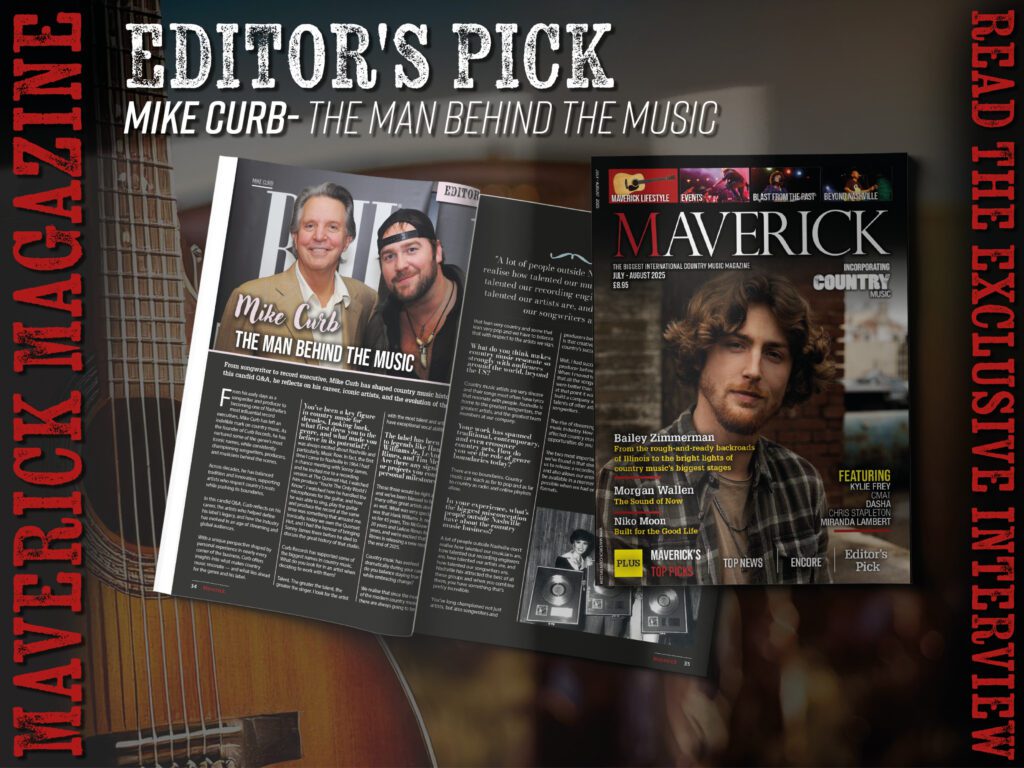
Picture of Brett Young - Photo by Seth Kupersmith - Maverick

Brett Young’s ‘2.0’

Brett Young’s 2.0 refines his signature romantic country-pop with a slightly bolder energy. The album blends familiar heartfelt ballads with more up-tempo, arena-ready moments, featuring collaborations with Lady A and George Birge. Smooth vocals, polished production, and concise songwriting keep it accessible, if predictable at times. Young’s strength lies in his ability to craft earnest love songs that resonate without overcomplicating them. While it doesn’t break much new ground stylistically, 2.0 maintains his emotional appeal and delivers a reliable, polished collection of tracks for fans of contemporary country-pop. A confident, if conservative, addition to his catalogue. To read the full article, see our last issue here. Never miss a story… Follow us on: Instagram: @Maverick.mag Twitter: @Maverick_mag Facebook: Maverick Magazine Media Contact Editor, Maverick Magazine Tel: +44 (0) 1622 823 920 Email: editor@maverick-country.com

Brett Young’s ‘2.0’ Read More »

Picture of Lainey Wilson - Photo by Alex Berger - Maverick

Lainey Wilson’s “Somewhere Over Laredo”

Lainey Wilson’s “Somewhere Over Laredo” blends cinematic flair with her signature gritty vocal delivery. Borrowing melodic elements from “Over the Rainbow”, the song reimagines familiar country tropes with theatrical scale and emotional charge. It’s a sweeping ballad layered with lush instrumentation and dynamic builds, capturing her growing confidence as a storyteller. The production feels grand yet grounded, and her vocal performance carries both strength and vulnerability. As the lead single from the deluxe edition of Whirlwind, it underscores Wilson’s knack for blending tradition and boldness, offering a memorable, ambitious addition to her repertoire that highlights her creative evolution. To read the full article, see our last issue here. Never miss a story… Follow us on: Instagram: @Maverick.mag Twitter: @Maverick_mag Facebook: Maverick Magazine Media Contact Editor, Maverick Magazine Tel: +44 (0) 1622 823 920 Email: editor@maverick-country.com
Lainey Wilson’s “Somewhere Over Laredo” Read More »

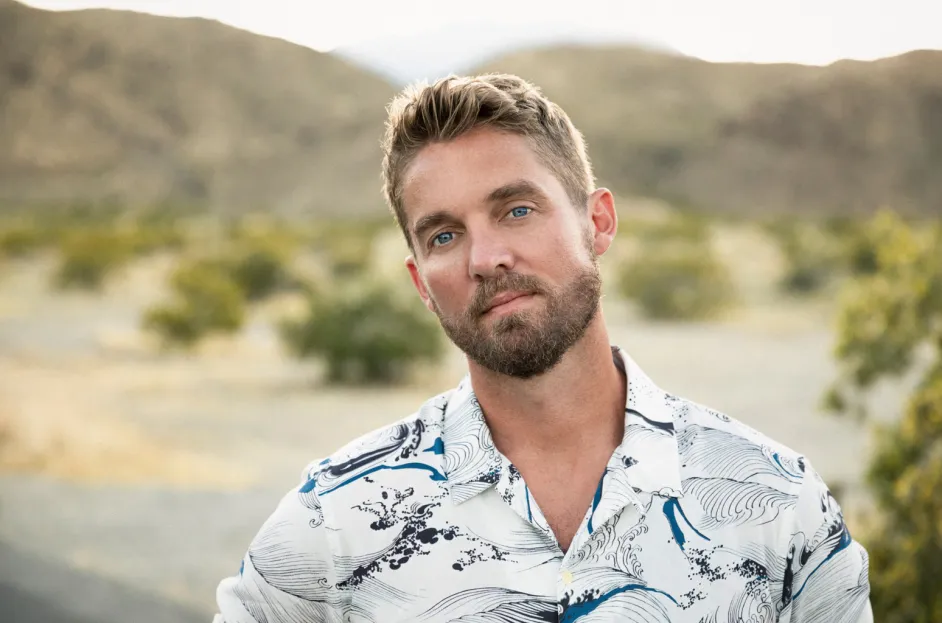
Picture of Liam Price - PR photo - Maverick

Liam Price’s The Grass Ain’t Green

Liam Price, whose voice will be recognised by many from the Luke Combs UK Tribute, delivers a raw, confessional ballad exploring regret, relapse, and the rocky road to redemption with “The Grass Ain’t Green.” Set against imagery of isolation, drinking, and self-reckoning, it captures the ache of realising that escape doesn’t guarantee clarity. The recurring line “I can’t see the wood for the trees” sharply illustrates emotional disorientation. With its cyclical chorus and emotional honesty, the song reflects a remarkably self-aware young artist wrestling with pain, accountability, and the hard-earned wisdom of hindsight.  To read the full article, see our last issue here. Never miss a story… Follow us on: Instagram: @Maverick.mag Twitter: @Maverick_mag Facebook: Maverick Magazine Media Contact Editor, Maverick Magazine Tel: +44 (0) 1622 823 920 Email: editor@maverick-country.com

Liam Price’s The Grass Ain’t Green Read More »

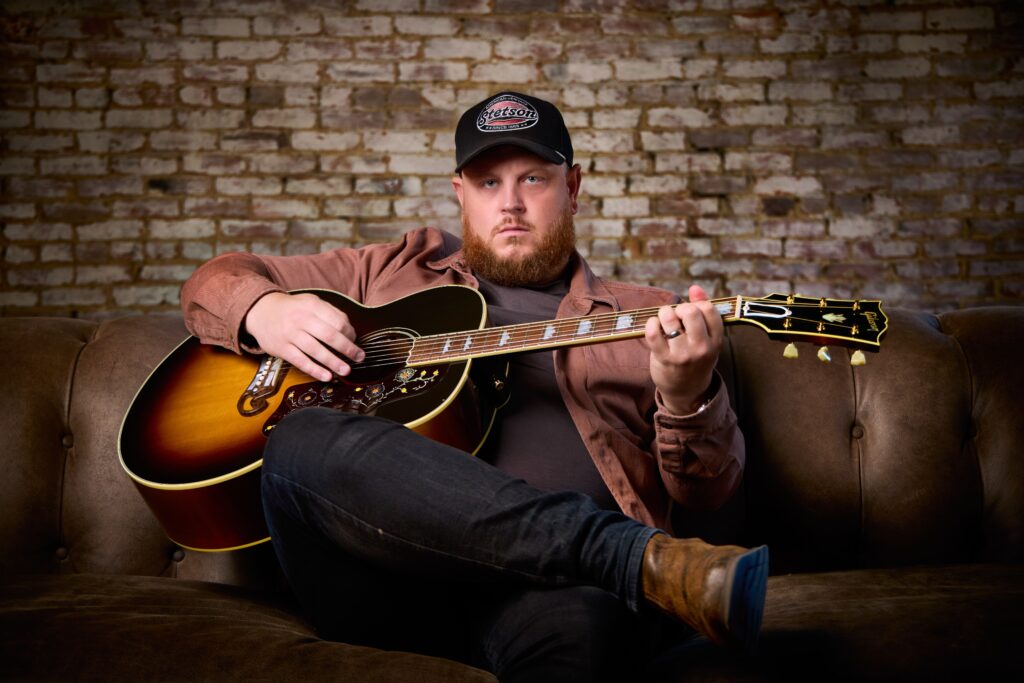
Blast from the Past - Maverick-country.com

The Quiet Trailblazer – How Kitty Wells Redefined Country Music

Her 1952 single cracked open the doors of country music for women, reshaping the genre with honesty and grit. Here’s how Kitty Wells left her mark forever. When “It Wasn’t God Who Made Honky Tonk Angels” hit the airwaves in 1952, it didn’t just climb the charts — it changed the conversation. Kitty Wells, at the time a session singer and mother of three, reportedly didn’t expect much from the track. But its unflinching critique of double standards in relationships struck a chord with listeners and ruffled feathers with gatekeepers. Radio stations banned it for its perceived impertinence, yet it became the first No. 1 country song by a woman, signalling that audiences were eager to hear female perspectives. Wells’ performance resonated because it was plainspoken yet defiant — a quiet rebellion that cracked Nashville’s glass ceiling. The song’s resonance extended far beyond its initial reception, sparking conversations about women’s roles in country music and beyond. Contemporary artists have pointed to this track as a watershed moment that allowed them to write and perform songs about real experiences without apology. Wells showed that women could reclaim the conversation, which inspired artists in subsequent decades to pen tracks with their own rebuttals and perspectives. The controversy around the song even reached national press, with some critics calling it inappropriate while others lauded its honesty. This tension only helped cement its place in country history, sparking dialogue far beyond Nashville about morality and gender in popular music. Its impact was so profound that it became one of the most covered and referenced tracks in the genre’s history, with younger artists continually citing it as a source of inspiration when crafting songs about love, betrayal, and independence. Ellen Muriel Deason was born in Nashville in 1919, surrounded by gospel music and the rhythms of hillbilly radio shows. Performing in a family trio during her teenage years, she cut her teeth at local dances before joining her husband Johnnie Wright’s act, touring extensively across the South through the 1940s. At first, she saw herself as supporting his career, playing rhythm guitar and adding harmonies. It wasn’t until her fateful session for “Honky Tonk Angels” — for which she reportedly earned a modest session fee — that she discovered her ability to speak directly to women’s experiences. Later, she reflected that she hadn’t expected her voice to spark such a reaction but was gratified that it did. Those early years shaped her professional ethic and deepened her connection to audiences. Growing up in a working-class household, she learned to value humility and hard work, traits she carried into her career even after achieving fame. Family members and collaborators later noted that she always made time for her fans, sometimes staying after shows for hours to greet them. This accessibility became a hallmark of her public persona and further solidified her reputation as “The Queen of Country Music.” To read the full article, see our last issue here. Never miss a story… Follow us on: Instagram: @Maverick.mag Twitter: @Maverick_mag Facebook: Maverick Magazine Media Contact Editor, Maverick Magazine Tel: +44 (0) 1622 823 920 Email: editor@maverick-country.com
The Quiet Trailblazer – How Kitty Wells Redefined Country Music Read More »

Picture of Kylie Frey - Photo by Rachael Mason - Maverickl

Kylie Frey – Rodeo Roots and Country Roads

From Louisiana rodeo arenas to Nashville stages, Kylie Frey blends her equestrian heritage with heartfelt country music, crafting songs that resonate with emotional depth. Born on March 3, 1995, in Opelousas, Louisiana, Kylie Frey grew up immersed in the rodeo lifestyle. A third-generation rodeo participant, she was named Louisiana High School Rodeo Queen at 15 and won the state championship for goat-tying at 16. Music was always present, with family road trips soundtracked by artists like Lee Ann Womack, Wynonna Judd, and Shania Twain. Despite a childhood lisp and limited vocal range, Frey was drawn to songwriting. At 16, attending the Pensacola Beach Songwriters Festival, she was inspired by Lisa Carver’s storytelling prowess, prompting her to pursue music more seriously. Frey’s initial foray into music involved writing songs as an emotional outlet. Her early compositions were, by her own admission, rudimentary, but they laid the foundation for her evolving artistry. She began performing at local venues, gradually building a following with her authentic country sound. In 2014, she released her debut album, Cinderella Dreams, marking her official entry into the music industry. The album showcased her storytelling abilities and deep connection to traditional country themes. Frey gained national attention as a finalist on USA Network’s Real Country in 2018, where she was mentored by Shania Twain. Her performance of “Wide Open Spaces” by the Dixie Chicks earned her 4.5 stars from the studio audience, a $10,000 prize, and a spot at the Stagecoach Festival. This exposure led to increased opportunities, including opening for established artists and expanding her fan base. Her time on Real Country solidified her reputation as a rising star with genuine country roots. Frey’s single “Spur of the Moment” became her fourth No. 1 on the Texas Regional Radio Report, setting a record as the fastest-rising No. 1 by a female in chart history. The song, co-written with Leslie Satcher, reflects her rodeo background and personal experiences. Collaborations have been a significant part of Frey’s career. She teamed up with Bri Bagwell for a country rendition of Cyndi Lauper’s “Girls Just Wanna Have Fun,” which topped the Texas charts. Additionally, she contributed background vocals to Cody Johnson’s Human: The Double Album, further cementing her place in the country music community. In 2022, she released her EP Rodeo Queen, which included a reimagined version of her early single “One Night in Tulsa” and the fan-favourite track “I Do Thing.” The project was praised for its honesty and modern-traditional fusion. Critics noted that Frey had found a balance between honouring her country roots and expanding her stylistic range. Frey has often credited her songwriting influences to the strong female voices of 90s country. Artists like Reba McEntire and Patty Loveless were formative in shaping her lyrical perspective—resilient, emotive, and steeped in realism. She has said that her goal is to tell the truth, even if it’s hard, and that principle underpins much of her catalogue. To read the full article, see our last issue here. Never miss a story… Follow us on: Instagram: @Maverick.mag Twitter: @Maverick_mag Facebook: Maverick Magazine Media Contact Editor, Maverick Magazine Tel: +44 (0) 1622 823 920 Email: editor@maverick-country.com
Kylie Frey – Rodeo Roots and Country Roads Read More »

Picture of CMAT - Photo by Caitlin Devlin - Maverick

CMAT – Country at the Fringes

With humour, heartbreak and theatrical defiance, CMAT has built a cult following at the edge of country-pop — and now, the world is finally catching on. At Glastonbury 2025, CMAT arrived dressed like a rodeo pop star from another planet—sequins blazing, fringe flying, boots planted, and voice unwavering. The Pyramid Stage crowd didn’t just watch her—they leaned in. It was the kind of moment that feels inevitable only after it happens: Ciara Mary-Alice Thompson, known to fans simply as CMAT, commanding the biggest platform in British music, still singing about heartbreak, hangovers, and the strange ache of being alive. She didn’t explode onto the scene so much as orbit it, waiting for the industry to catch up. And now, with her third album on the way and her live show fast becoming legend, CMAT stands precisely where she’s always said she belonged: on the edge of things, shining. CMAT’s story is too winding for tidy mythology, but that’s part of the point. Raised in Dunboyne, County Meath, she grew up with a head full of melodies, a love for pop drama, and a taste for country melancholy. There was no musical dynasty or overnight discovery. Instead, there was a brief, bruising stint in Manchester with a now-defunct duo, a detour into retail, and a creative collapse that sent her back to Dublin. Her turning point wasn’t an audition or a co-sign. It was a slow return to herself, often documented on social media, where she blended vulnerable songwriting with grandiose humour. CMAT began uploading songs with titles that read like punchlines but landed like confessions. Her debut album, If My Wife New I’d Be Dead, became a cult classic on release in 2022. Beneath its camp and chaotic veneer was an artist meticulously crafting a voice that could hold both sorrow and absurdity. C<MA CMAT is often called a country artist, but the label doesn’t quite fit—and she knows it. She’s described her sound as “Euro-country” not just to signal its Irishness, but to reflect the genre’s displacement. Her country isn’t the dustbowl or the truck stop; it’s a karaoke bar at closing time, a night bus through Dublin’s outskirts, a voice memo at 3 a.m. trying to make sense of something already lost. The musical references range wide: Tammy Wynette, Charli XCX, Magnetic Fields, Meat Loaf. And while she’s drawn to Americana’s emotional directness, she delivers it with European surrealism. On stage and record, she’s melodramatic without irony, sincere without sentimentality. That contradiction is her power. Her lyrics feel like diary entries written in eyeliner, full of exes, epiphanies and the desperate attempts to make sense of feelings that won’t behave. If her voice occasionally cracks under the weight of what she’s singing, it only underscores her ability to make spectacle feel strangely intimate. To read the full article, see our last issue here. Never miss a story… Follow us on: Instagram: @Maverick.mag Twitter: @Maverick_mag Facebook: Maverick Magazine Media Contact Editor, Maverick Magazine Tel: +44 (0) 1622 823 920 Email: editor@maverick-country.com
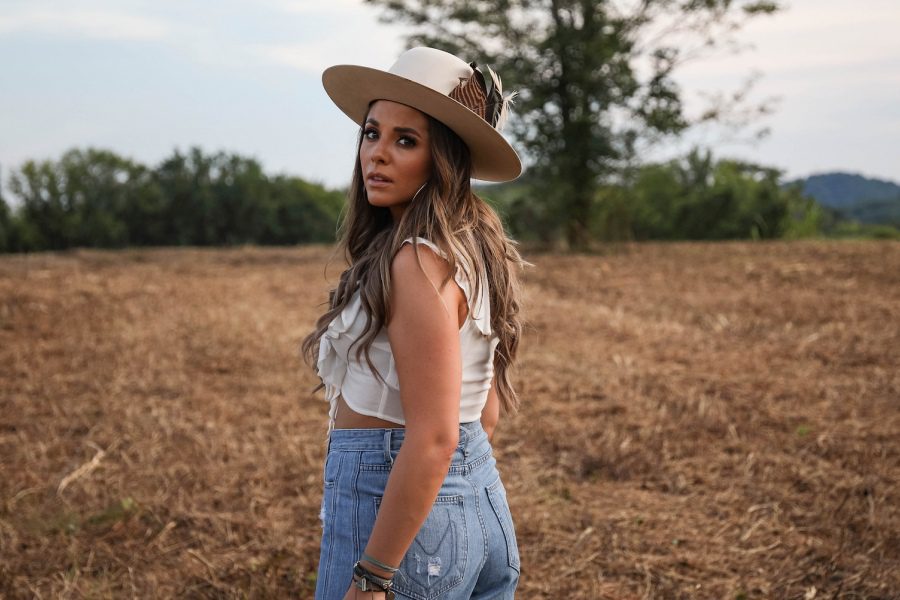
CMAT – Country at the Fringes Read More »

Bailey Zimmerman Cover - maverick-country.com

Bailey Zimmerman – The Weight of Wanting

Bailey Zimmerman’s rise from the rough-and-ready backroads of Illinois to the bright lights of country music’s biggest stages wasn’t carved from a blueprint — it came gut-first. With a voice like cracked leather and lyrics soaked in heartbreak, Bailey Zimmerman has bulldozed his way into the genre’s core without ever losing sight of what set him apart: the honesty, the ache, and the gravel in his gut. Heavy boots on fresh concrete. That’s the feeling you get listening to Bailey Zimmerman. There’s momentum in his music — not just in the number of streams or tour dates, but in the way his songs drive forward, heavy-hearted and unrelenting. Even when they ache, they move. And movement, for Zimmerman, has never been optional. Long before he became a country chart staple, Zimmerman was working on gas pipelines and posting truck cab videos on TikTok. Raised in small-town Louisville, Illinois, he’d clock a full day on the job before singing straight into his phone. It wasn’t a marketing strategy — it was a release. As he once revealed, he thought he was going to build gas pipelines for the rest of his life. Instead, one of those videos — a raw vocal run on a song that would become “Fall In Love” — caught fire. And in 2022, the heartbreak anthem shot to No. 1 on the Country Airplay charts, making him the fastest debut artist to top that chart in seven years. Zimmerman’s rise was fast, but not fluked. With no formal music background, he crafted his debut album, Religiously. The Album., from instinct and grit. Released in May 2023, it debuted at No. 3 on the Billboard Country Albums chart and spawned multiple hits, including “Rock and a Hard Place.” The track, a bruising ballad of romantic stalemate, landed in the Billboard Hot 100’s Top 10 and became a multi-platinum juggernaut. His songwriting process, by his own account, isn’t guided by formulas or co-writing workshops. Instead, Zimmerman has described it as trying to get the truth out of my head before it chokes him. He tends to record voice memos and rough takes as soon as the emotion hits, sometimes capturing the chorus before the story has a setting. This rawness gives his music its punch — a kind of emotional timestamp that hasn’t been buffed smooth. Zimmerman has credited artists like Morgan Wallen and Post Malone with helping him find a voice that could carry both country grit and contemporary urgency. He’s said that genre lines don’t interest him as much as emotional clarity, and that what matters is whether a song feels honest enough to hurt. That outlook has shaped his blend of country, rock and modern pop, helping him carve a lane that resists pigeonholing. To read the full article, see our last issue here. Never miss a story… Follow us on: Instagram: @Maverick.mag Twitter: @Maverick_mag Facebook: Maverick Magazine Media Contact Editor, Maverick Magazine Tel: +44 (0) 1622 823 920 Email: editor@maverick-country.com

Bailey Zimmerman – The Weight of Wanting Read More »

Morgan Wallen - Maverick-country.com

Morgan Wallen – The Sound of Now

From small-town ballads to streaming-era behemoths, Morgan Wallen is reshaping country music with sprawling albums, lyrical duality, and a reach few in the genre have ever matched. In a genre that has long wrestled with questions of authenticity, evolution, and mass appeal, Morgan Wallen’s career is a case study in how country music is not only surviving the streaming era, but redefining itself through it. Wallen’s trajectory from a small-town Tennessee upbringing to record-breaking global success reflects not only his own adaptability, but also a growing appetite for genre fusion, narrative depth, and emotional immediacy in modern country. His earliest musical influences were rooted in gospel and classic rock, shaped by a childhood steeped in church music and a family atmosphere that encouraged performance. Originally pursuing a career in baseball, Wallen pivoted toward music following a sports injury. His appearance on The Voice in 2014, though brief, exposed him to the mechanisms of mainstream entertainment and helped forge early industry connections. But the real transformation came later, through persistence and a careful cultivation of both sound and image. Finding early traction as a songwriter before becoming a headline act, Wallen’s storytelling sensibility was clear from the start. He has often cited lyrical depth as a guiding principle, inspired as much by the detail-rich songwriting of Eric Church as by the party-starting energy of Florida Georgia Line. That duality—introspective yet rowdy, grounded yet ambitious—would become his creative signature. While Wallen’s music has consistently drawn wide acclaim, his work ethic behind the scenes has also been pivotal. He is reportedly known for long writing sessions, extensive demo tracking, and a meticulous approach to pre-production. Producers close to him have noted his commitment to vocal takes and narrative sequencing, revealing a discipline that contrasts with his freewheeling public persona. This blend of creative freedom and studio rigour has helped him maintain both quality and quantity in his prolific output. Wallen’s 2018 debut album If I Know Me laid the groundwork. With singles like “Whiskey Glasses” and “Up Down,” he married party anthems to twangy hooks, shaping a persona that was equal parts everyman and outlaw. The album spoke to a younger demographic without alienating traditionalists. While its themes were familiar—heartache, small-town nights, and longnecks lifted high—the delivery was fresher, the phrasing more conversational. Critics were initially unsure how to categorise Wallen. Was he a bro-country holdover? A pop-country crossover? What became clear, however, was his knack for building songs that worked both acoustically and algorithmically. Tracks gained traction on playlists and social media, reflecting his growing relevance in a shifting media landscape. To read the full article, see our last issue here. Never miss a story… Follow us on: Instagram: @Maverick.mag Twitter: @Maverick_mag Facebook: Maverick Magazine Media Contact Editor, Maverick Magazine Tel: +44 (0) 1622 823 920 Email: editor@maverick-country.com
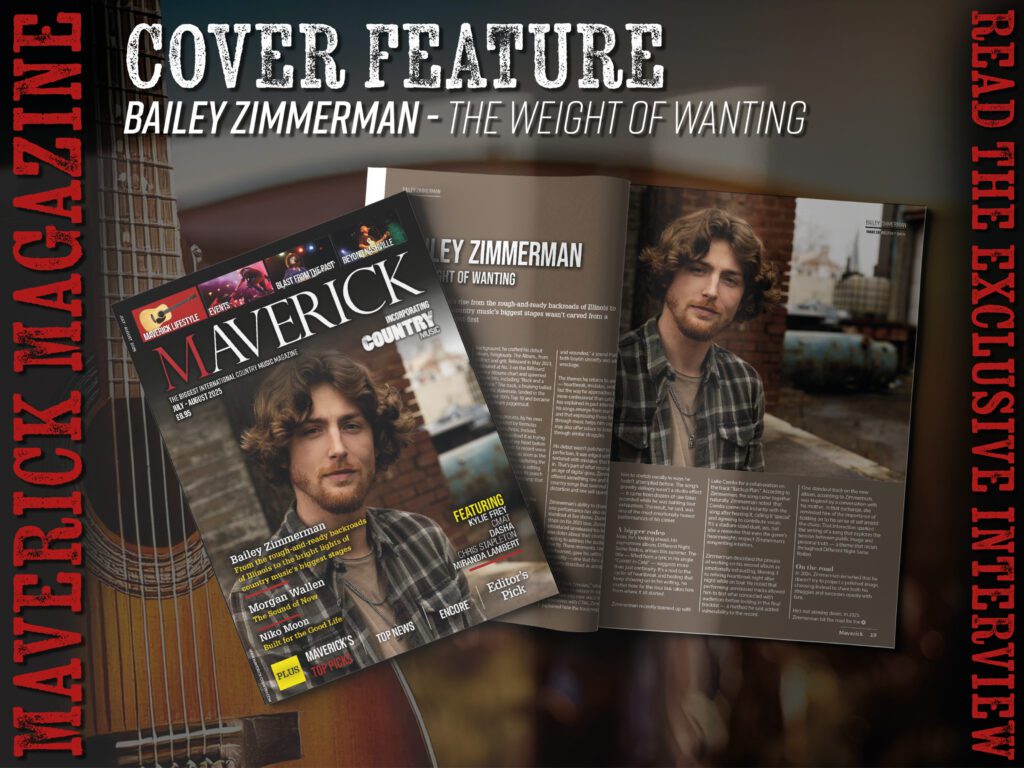
Morgan Wallen – The Sound of Now Read More »

Picture of Niko Moon - Photo by Matthew Berinato - Maverick

Niko Moon – Built for the Good Life

Fusing feel-good energy with country soul, Niko Moon has carved out a sound all his own. With a new chapter ahead, he’s doubling down on joy—without losing depth. Niko Moon strides onto the stage barefoot, a wide grin spreading across his face as he greets the crowd. It’s a signature move for the Texas-born, Georgia-raised artist, embodying the laid-back, feel-good ethos that permeates his music. From his breakout hit “Good Time” to his latest projects, Moon has consistently delivered a blend of country, pop, and R&B that invites listeners to find joy in the everyday. But beneath the sunny melodies lies a deeper narrative. Moon’s journey hasn’t been without its challenges, and he’s unafraid to share the highs and lows that have shaped his path. His commitment to positivity isn’t about ignoring life’s difficulties; it’s about choosing to focus on the light, even when the shadows loom large. Growing up in a working-class family, Moon was surrounded by music from an early age. His father, a truck driver, and his mother, a waitress, filled their home with the sounds of John Prine and Patty Griffin. These early influences instilled in him a love for storytelling and a belief in the power of music to connect and heal. Before stepping into the spotlight, Moon honed his craft behind the scenes, writing songs for artists like Zac Brown Band, Morgan Wallen, and Rascal Flatts. His transition to a solo career was a natural progression, allowing him to share his own voice and vision with the world. He’s also noted that these formative experiences gave him a rare insight into what makes a song resonate. From melody structure to lyrical themes, Moon’s time as a songwriter offered a behind-the-curtain view of the music industry—experience he’s taken with him into his solo career. His debut album, Good Time, introduced audiences to his unique sound—a fusion of country storytelling, pop hooks, and R&B rhythms. The title track became a chart-topping hit, resonating with fans seeking an escape from the stresses of daily life. Yet, Moon’s music isn’t just about having a good time. With his follow-up projects, including the albums Better Days and the EPs “These Are the Days” and “These Are the Nights,” he delves deeper into themes of resilience, mental health, and personal growth. Songs like “Keep A Light On” pay tribute to his family’s strength during tough times, while “Head Above the Water” offers a candid look at his struggles with anxiety and the importance of seeking help. Moon has described how songwriting became a kind of emotional compass for him—an outlet for both joy and vulnerability. He’s often reflected on how important it is to write songs that are honest about the human experience, explaining that while his upbeat sound draws listeners in, it’s the emotional transparency that makes them stay. This depth of feeling extends to his work offstage. Moon launched the Happy Cowboy Foundation in 2024 with the aim of destigmatising mental health issues, particularly in the music industry and rural communities. His decision to start the foundation stemmed from his own battles with anxiety and depression, and a belief that joy and struggle often coexist. He wants his music and outreach to serve as a bridge for those who feel isolated. To read the full article, see our last issue here. Never miss a story… Follow us on: Instagram: @Maverick.mag Twitter: @Maverick_mag Facebook: Maverick Magazine Media Contact Editor, Maverick Magazine Tel: +44 (0) 1622 823 920 Email: editor@maverick-country.com
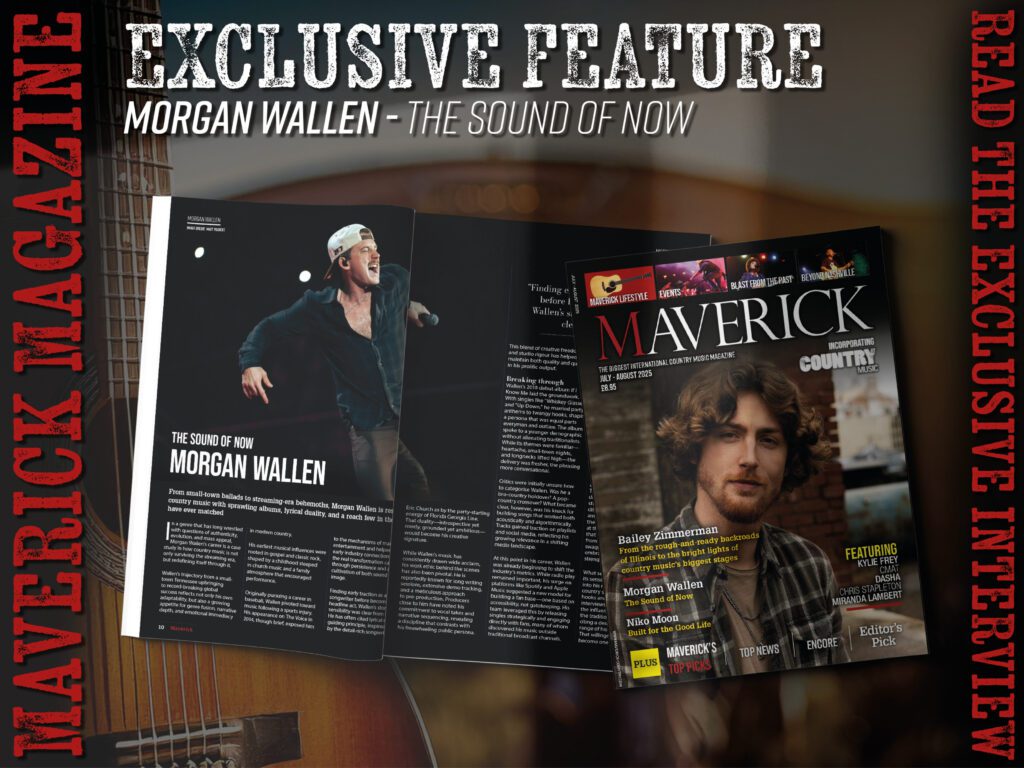
Niko Moon – Built for the Good Life Read More »

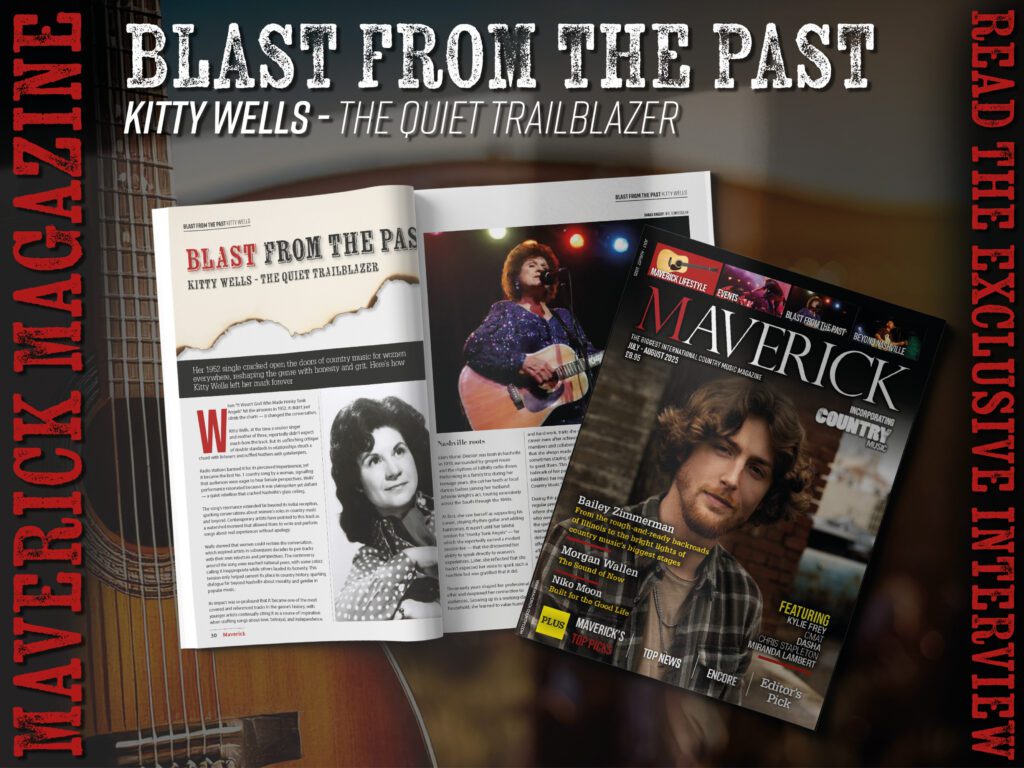
Mike Curb - Maverick-country.com

Mike Curb – The Man Behind the Music

From songwriter to record executive, Mike Curb has shaped country music history. In this candid Q&A, he reflects on his career, iconic artists, and the evolution of the genre. From his early days as a songwriter and producer to becoming one of Nashville’s most influential record executives, Mike Curb has left an indelible mark on country music. As the founder of Curb Records, he has nurtured some of the genre’s most iconic names, while consistently championing songwriters, producers, and musicians behind the scenes. Across decades, he has balanced tradition and innovation, supporting artists who respect country’s roots while pushing its boundaries. In this candid Q&A, Curb reflects on his career, the artists who helped define his label’s legacy, and how the industry has evolved in an age of streaming and global audiences. With a unique perspective shaped by personal experience in nearly every corner of the business, Curb offers insights into what makes country music resonate — and what lies ahead for the genre and his label. You’ve been a key figure in country music for decades. Looking back, what first drew you to the genre, and what made you believe in its potential?  I was always excited about Nashville and particularly, Music Row. In fact, the first time I came to Nashville in 1964 I had a chance meeting with Sonny James, and he invited me to a recording session at The Quonset Hut. I watched him produce “You’re The Only World I Know”. I watched how he handled the microphones for the guitar, and how he was able to sing, play the guitar and produce the record at the same time was something that amazed me. Ironically, today we own the Quonset Hut, and I had the honour of bringing Sonny James there before he died to discuss the great history of that studio. Curb Records has supported some of the biggest names in country music. What do you look for in an artist when deciding to work with them?  Talent. The greater the talent, the greater the singer. I look for the artist with the most talent and artists who have exceptional vocal abilities. The label has been home to legends like Hank Williams Jr., LeAnn Rimes, and Tim McGraw. Are there any signings or projects you consider personal milestones?  Those three would be right at the top, and we’ve been blessed to have so many other great artists along the way as well. What was very special here was that Hank Williams Jr. recorded for us for 45 years, Tim McGraw for over 20 years and LeAnn Rimes for over 20 years, and we’re excited that LeAnn Rimes is releasing a new record before the end of 2025. To read the full article, see our last issue here. Never miss a story… Follow us on: Instagram: @Maverick.mag Twitter: @Maverick_mag Facebook: Maverick Magazine Media Contact Editor, Maverick Magazine Tel: +44 (0) 1622 823 920 Email: editor@maverick-country.com
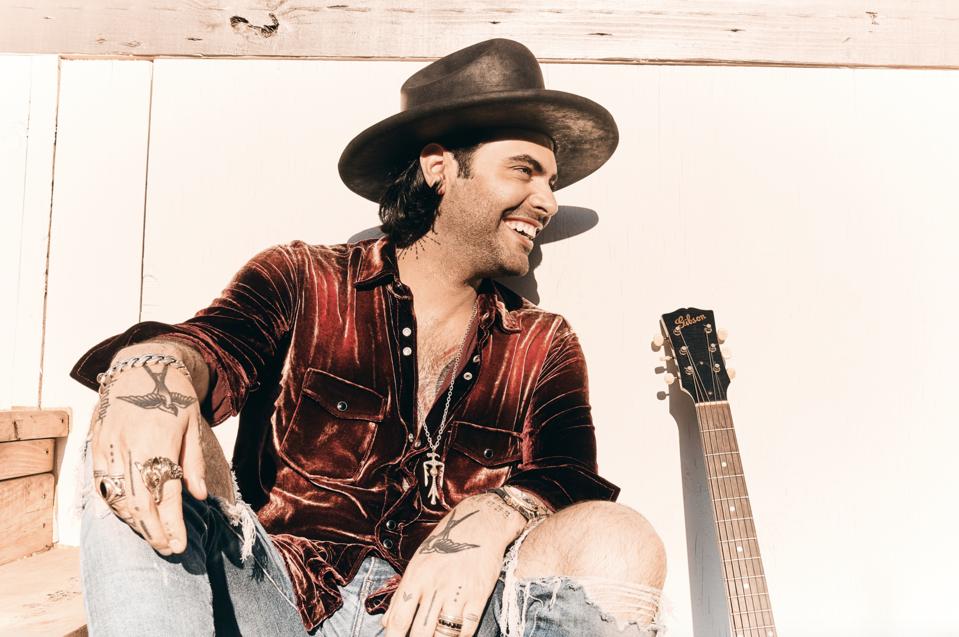
Mike Curb – The Man Behind the Music Read More »

Scroll to Top