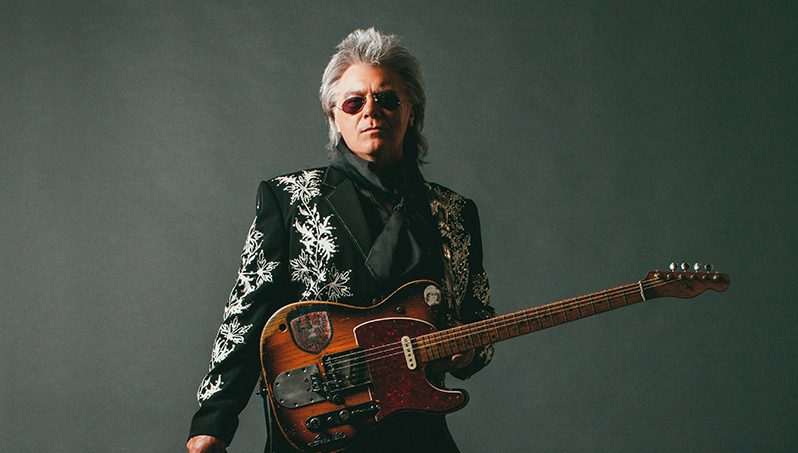
Interview: Marty Stuart & His Fabulous Superlatives
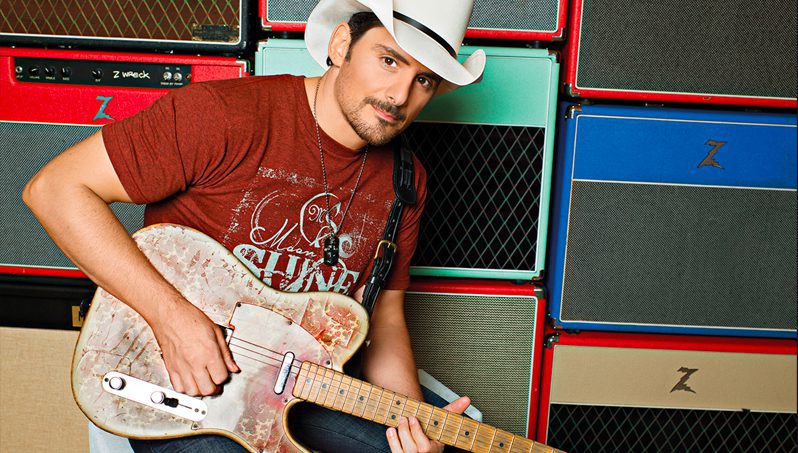
As he prepares to take to the stage at C2C, Marty Stuart looks back on his career touring with fellow icons Lester Flatt and Johnny Cash, and tells Ed Mitchell about his groundbreaking surf/psychedelia/country road trip record Way Out West. It’s early February when we finally hook up with Marty Stuart. The four-week countdown to his appearance at Country 2 Country has begun and it won’t be long until his new album Way Out West bursts into life. The new record – a love letter to the American West, cut with his loyal band the Fabulous Superlatives – has already set the standard for the best record we’ll cherish this year. Yet, as this interview was taking place, the album was in limbo, recorded and mixed and out of Marty’s hands but still frustratingly far from delivery for the faithful who knew it was in the post. “It’s like flirting with your favourite girl,” laughs Marty. We finish his sentence: ‘Yeah, you know you’re gonna get something good, eventually, and it’ll be worth the wait…’ We have to confess to a tingle of excitement when Marty Stuart picks up the phone. This is the man who toured with Lester Flatt and Johnny Cash and counted the likes of Merle Haggard and Porter Wagoner among his personal friends and collaborators. He’s the keeper of the flame of true country music, a scholar and archivist and formidable singer, musician and writer. He even got to marry country royalty, the singer Connie Smith. If you want to know where country music has been or where it’s going, no one is better qualified to guide you than Marty Stuart. While his new album testifies to his fascination with the West Coast, as he explains, his resolve to remain in Nashville was only tested once. “In the late 1970s when Lester Flatt died, I considered going out West to live,” Marty recalls. “I was thinking about getting a job with Bob Dylan. At that time of my life, I saw the fast paced world of Hollywood. I thought, ‘you’ll probably go out there and kill yourself. You’re a knucklehead, Marty Stuart!’” In the end, however, Nashville prevailed: “I got a job with Johnny Cash. That made an easy decision even easier.” Q. Where does your fascination with the American West come from? A. I was raised in the South of the United States, down in Mississippi. The first record I ever owned was a Johnny Cash record, it had Don’t Take Your Guns To Town on it. There was another song on there called One More Ride, it was about going out West. Then, of course, I heard the Marty Robbins Gunfighter record. I was enchanted. Those songs took me on a journey in my bedroom when I was a little kid down in the South. To this day when I travel to the American West, I’m still awed by it. Q. Do you remember the first time you made it to the West Coast? A. It was 1974. I was in Lester Flatt’s band. He played a series of concerts; and the California show was in a town called Norco. It was a bluegrass festival. I woke up and we were coming into California and all of a sudden there were palm trees, there was a blue sky, and a ‘sandiness’ that I’d never experienced before. I’d only read about it or seen it on the silver screen or on television. So, I finally got to see it in person. I fell in love with it the very first time. Q. Way Out West feels like a soundtrack to a lost road movie… A. I tried very hard to take the listener on a journey. I like themes. I like having a bullseye, a destination. It’s wonderful to know what the project is about. Therefore you can write to the subject matter. Q. The title track is a powerful piece of work. When did the inspiration strike for the song? A. I was riding in the front of my bus with a guitar in my lap and a piece of paper. These words just kinda started coming out of the sky. I thought it was comedy… like, this is crazy. I kept writing silly words. I actually wrote to sleep and when I woke up, I looked at the words again and thought, ‘well, that ain’t half bad.’ Q. You cut a couple of covers for the new record… A. The second Johnny Cash record I owned was called The Sound Of Johnny Cash, on Columbia Records. Lost On The Desert was in there. I remember going down the street to my friend’s house and The Beatles were really popular at that moment in time. They were blowing up, lighting up the planet. He said, ‘Come here man, listen to this’ and it was a Beatles track. And I said, ‘Well, listen to this!’ and I played him Lost On The Desert. I was just taken by that line in it: ‘black wings circle the sky’. Those images just captivated my mind when I was a kid. I thought Johnny Cash wrote that song but I found out it was Dallas Frazier and a guy named Buddy Mize. Dallas Frazier is one of my friends – my wife Connie Smith has recorded like 73 of his songs. I called him up one day and asked if he remembered writing the song and he said, ‘Yeah, I think I was in high school when I wrote it.’ So it was one of those songs from my childhood that fit this project. Q. You’ve got Airmail Special in there, too… A. I love that line in it about ‘carrying mail to California.’ It was an old bluegrass record that I heard Jim and Jesse and The Virginia Boys do and I just thought it was a great song. Q. Were the original songs plucked from the archives or written specifically for the record? A. A
Interview: Marty Stuart & His Fabulous Superlatives Read More »