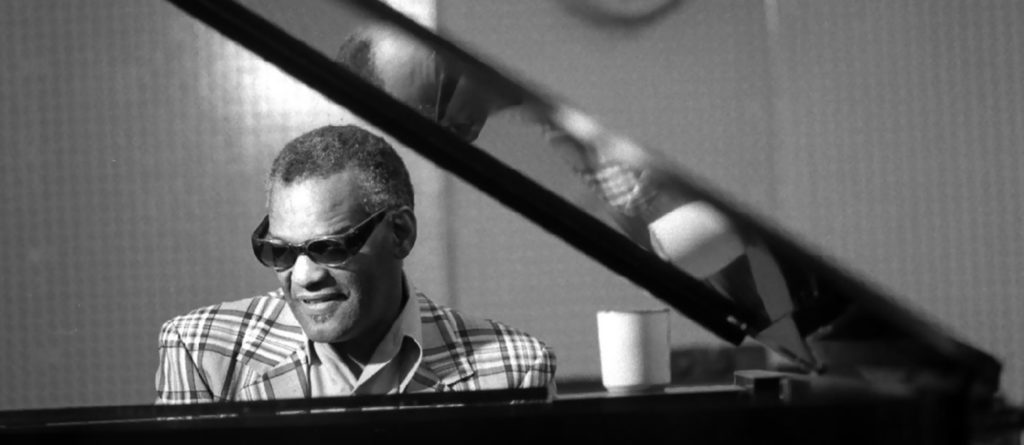
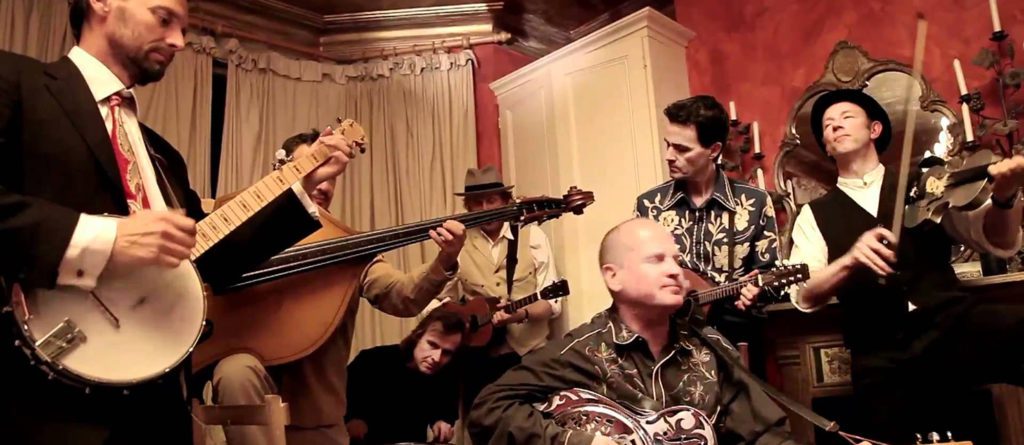
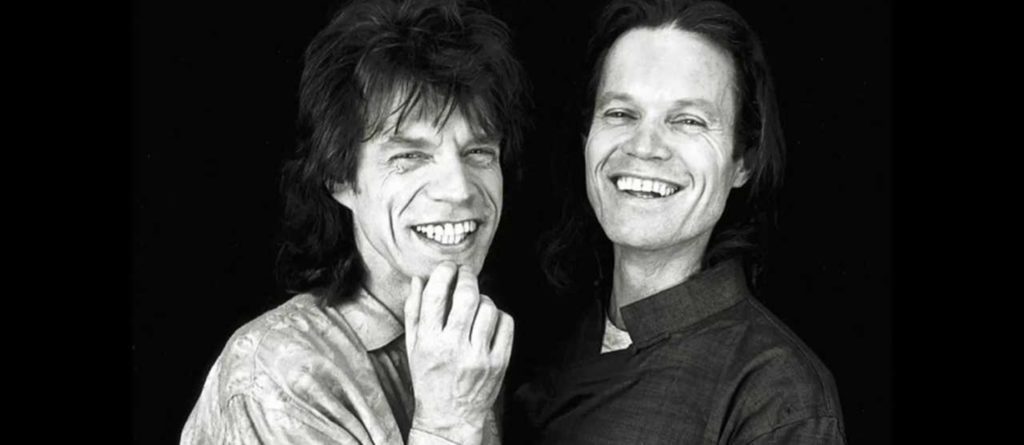
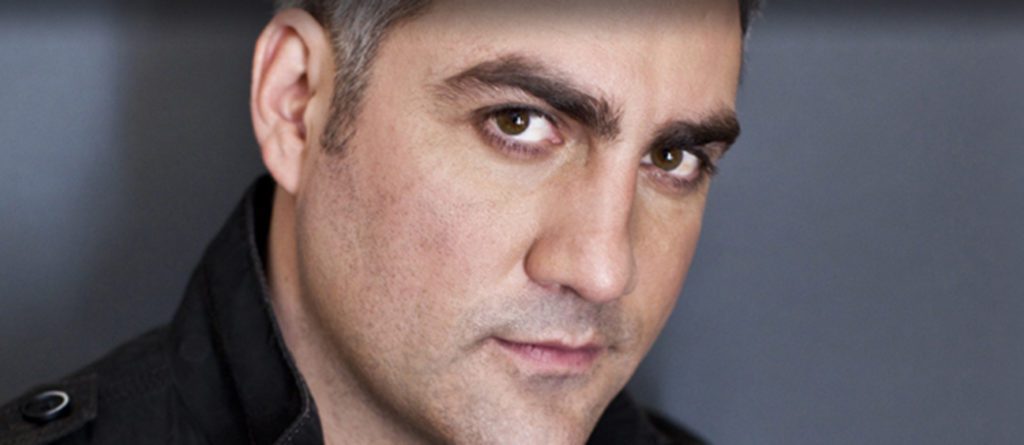
Following Chris’ latest sell-out performance at the Crooked Billet, he agreed to be interviewed for Maverick Chris Jagger, younger brother of Rolling Stones’ frontman Sir Mick, has pursued his own musical career for many years. His strong performances of original American country-influenced, Cajun and blues-tinged material have earned accolades from professional critics, fellow musicians, discerning fans and music business cognoscenti. But Chris lives a relatively quiet and conventional country life at his Somerset farmhouse home. Now 65, Chris has trained as an actor, been involved in stage management, fashion design, journalism, radio and film, as well as also having driven taxis, though it is music that has been a constant theme throughout his life. Chris has recorded a series of albums featuring his own songs and has toured extensively in the UK, Europe, Australia, Canada and the USA. His favourite venue is Oxfordshire’s celebrated Crooked Billet pub in the village of Stoke Row where he appears regularly with an acoustic trio. Chris is one of the most popular acts to perform there, which is quite an achievement given the famous names the Crooked Billet attracts. George Harrison, Joe Brown, Chas Hodges, Jon Lord, Hazel O’Connor, Gary Booker, Sam Brown and many internationally famous names from jazz, folk, country and rock, as well as from film, theatre and TV, have been regulars in this tiny gem of a venue, run by master-chef and former rock musician, Paul Clerehugh. Following Chris’ latest sell-out performance at the Crooked Billet, he agreed to be interviewed for Maverick. Not long after the Rolling Stones’ triumphant 50th anniversary concert at London’s O2 Arena, I travelled into deepest rural Somerset to meet Chris who had been tending the small flock of sheep he and his wife Kari-Ann own. “We really relish our lifestyle down here,” Chris tells me. “We have been in Somerset for more than a decade now-we lived in Glastonbury before and it is just so much better than living in Muswell Hill, North London as we used to. There is a real sense of involvement with the local farming community here. In remote rural areas like this there is a mutual dependency as well as an acceptance of everyone, regardless of who they are. And a lot of bartering goes on which I enjoy; exchanging a few dozen eggs for some locally made cider, borrowing a cockerel or a ram. It is still a traditional way of life which I’ve come to truly appreciate. Some of the highlights of the last few years have been performing at annual gigs for local people in the cider barn just yards from here. A few of my recent songs reflect my Somerset life-a track on my THE RIDGE album is called The Farmer.” This bucolic existence is a contrast from Chris’ late teenage years at the heart of “swinging’ London in the sixties. After a childhood in Dartford, Kent where he enjoyed singing in the junior school choir, Chris attended Eltham College in South East London. His father, a former history and PE teacher who worked for the Central Council for Physical Recreation and wrote books on sport, was not wealthy. So sending Chris to this prestigious private school meant a considerable financial sacrifice. Chris then won a place to study drama at Manchester University, but he opted not to go, preferring instead to spend time in London where elder brother Mick was enjoying his first years of fame as a Rolling Stone. “Our parents had always tried their best for us and I am sure they were disappointed I didn’t go off to university,” Chris reflects. “There had been very little music or acting at Eltham College. Despite that, I had thought I would like to do drama. But when I went to Manchester for the interview it just seemed so drab and stuck in the past. London was such a happening place. The thought of leaving all that action to go back to college to read Shakespeare up in Manchester was very unappealing. So I didn’t do it. There are times I’ve wondered what I missed but on balance, I’ve few regrets.” “Instead I took a year off and hung out in London with some of the people Mick knew. I was mixing with them all-the Beatles, Jimi Hendrix, all kinds of people. It was very exciting! I was involved with fashion design-our jackets were worn by Mick and by Keith Richards. Jimi Hendrix wears one on the cover of his ELECTRIC LADYLAND album! That jacket is now on show at the Hard Rock Cafe in New York-a piece of sixties psychedelic fashion. It was designed for us by Julia, an Irish girl we met who used to paint ties in Indian ink. We asked her to use the same technique on a jacket. Jimi wore a lot of our stuff and we became good friends. I even went out and toured in Sweden with him. I saw him play three gigs in one day there-only Jimi could have the stamina to do that!” “I also worked at Hampstead Theatre as an assistant stage manager which I enjoyed. Though it was a little disillusioning,” Chris recalls. “Meeting older actors who were broken down characters with alcohol problems and earning a pittance despite having real ability-I started to wonder whether I could hack that as a career, longer-term. But I enjoyed some of the new, more avant-garde plays. Many years later I was in repertory at the Citizens Theatre in Glasgow. I was in one play with Pierce Brosnan and also worked with Ciaran Hinds. I did The Threepenny Opera and had to sing some Brecht songs, which I loved. There was no amplification and a full house in a big Victorian theatre, so it was challenging and I learned so much from it. I also trained in Los Angeles with Stella Adler, a very famous coach. And I was cast in the Kenneth Anger film Lucifer Rising but I was fired when I queried